
8 min read · Updated: 2026-10-13
For fashion brands, appearing on Google starts with a clean, complete business profile. This guide walks you through listing steps that help shoppers discover your store, from claim to verification to accurate category choices. You’ll learn concrete actions you can take today to improve local visibility and drive foot traffic or online sales.
Think of your Google listing as a storefront window. The right details—address, hours, photos, and a concise description—make first impressions count. You’ll also learn how to reflect your fashion niche, whether you’re a boutique, pop-up, or online-only retailer, so customers understand what you offer at a glance.
In the sections that follow, you’ll find practical steps, real-world examples, and quick checks that keep your listing accurate. The goal is a profile that helps shoppers decide to visit in person or buy online, without overpromising future outcomes.
- Create a complete Google Business Profile with accurate name, address, and hours. Add quality photos, a clear description, and link to your catalog.
- Choose precise fashion-related categories and keep information up to date. Verify ownership and monitor reviews to build trust.
- Use local intent keywords in your listing and optimize photos to attract nearby shoppers. Consider free vs paid features and other local directories for broader reach.
Basics of your Google presence
Claim your business profile
Begin by claiming your business on Google Business Profile. Verify ownership via postcard, phone, or email, then secure access for updates. Ensure you use a consistent, real business name and a local address that matches other listings. get your business listed in Birmingham
While you verify, prepare photos that show your store’s interior and products. A concise, value-focused description helps potential customers understand what you sell and where to find you.
- Use the exact business name across listings
- Add a primary category like Fashion Boutique
- Include a local address and service areas if applicable
- Upload high-quality photos of storefront and products
- - Use the exact business name across listings
- - Add a primary category like Fashion Boutique
- - Include a local address and service areas if applicable
- - Upload high-quality photos of storefront and products
Profile optimization
Fill out the profile fully: hours, phone, website, and a clear description of what you offer. Choose categories that match your core services and use attributes that apply to fashion retail (wheelchair accessibility, delivery options, etc.).
Add products and services if the platform supports them, linking to your catalog when possible. Keep information up to date, especially during holidays or seasonal sales.
- Complete every field you can access
- Choose 2–3 precise product/service categories
- Regularly refresh photos and posts
- Link to your e-commerce catalog
- - Complete every field you can access
- - Choose 2–3 precise product/service categories
- - Regularly refresh photos and posts
- - Link to your e-commerce catalog
How customers find you locally

SEO basics for fashion stores
Think local first: optimize your listing with city and neighborhood names where you operate. Use natural language in descriptions so people nearby recognize your niche, such as independent fashion, bridal wear, or streetwear. Birmingham Daily latest news
- Consistent name and address across listings
- Regularly post updates about new arrivals
- Encourage local customers to leave reviews
Include keywords that describe your offerings without keyword stuffing. The goal is to signal relevance to both Google and shoppers who search for nearby fashion options.
- Use location and niche terms
- Describe offerings clearly
- Avoid clichés or vague phrases
- Update descriptions seasonally
- - Use location and niche terms
- - Describe offerings clearly
- - Avoid clichés or vague phrases
- - Update descriptions seasonally
Photos that sell
Visuals drive clicks. Post high-resolution shots of storefronts, windows, and feature pieces. Include lifestyle images that show how items fit into real lives and events.
Organize photos into albums (Storefront, In-store looks, New arrivals) and add captions with product names and material details.
- Show multiple angles of key pieces
- Include size and color variants
- Use natural light whenever possible
- Keep captions informative
- - Show multiple angles of key pieces
- - Include size and color variants
- - Use natural light whenever possible
- - Keep captions informative
Verification and safety
Verify honestly
Google requires proof you’re the real business. Use the verification method that suits you, then keep your listing truthful and up to date. Misleading claims undermine trust and can lead to a suspension. local events in Birmingham this week
If you operate with multiple locations, avoid listing a non-existent address. Use service-area outlining if you’re travel-based or a pop-up brand.
- Only claim real locations
- Keep contact details accurate
- Update during changes or events
- Respond professionally to reviews
- - Only claim real locations
- - Keep contact details accurate
- - Update during changes or events
- - Respond professionally to reviews
| Option | Pros | Cons |
|---|---|---|
| Free listing | Low effort, basic presence | Limited visibility without extensions |
| Profile enhancements | Better visibility and engagement | Costs can add up with campaigns |
| Paid ads | Targeted reach for events | Requires tracking and budgeting |
Handling reviews
Encourage happy customers to leave reviews, then respond to both praise and complaints. Positive engagement boosts visibility and shows you value feedback.
Keep tone professional and avoid arguing in public. If a concern requires action, note it and follow up privately when possible.
- Invite buyers post-purchase
- Respond within a reasonable timeframe
- Acknowledge and resolve issues
- Highlight improvements in future messages
- - Invite buyers post-purchase
- - Respond within a reasonable timeframe
- - Acknowledge and resolve issues
- - Highlight improvements in future messages
Evaluate whether the spend aligns with your sales cycle and local competition.
Alternatives and options

Free vs paid enhancements
Google offers basic free listings and optional paid features like ads or enhanced profiles. For fashion businesses, free listing often suffices to start, while paid options can boost seasonal campaigns or events with better visibility. buy and sell in Birmingham
- Free listing covers basics
- Paid features require careful budgeting
Evaluate whether the spend aligns with your sales cycle and local competition. A careful test can show whether the lift justifies the cost.
- Start with the free profile
- Track traffic to your site
- Consider seasonal boosts
- Review ROI
- - Start with the free profile
- - Track traffic to your site
- - Consider seasonal boosts
- - Review ROI
Other listings to consider
Beyond Google, fashion brands can enlist Apple Maps and local directories to reach shoppers. Consistency across platforms improves recognition and search performance.
Choose directories that match your location and audience—local fashion communities, lifestyle guides, or city guides can help you appear where shoppers look.
- Align listings across platforms
- Prioritize high-traffic directories
- Keep branding consistent
- Update with new collections
- - Align listings across platforms
- - Prioritize high-traffic directories
- - Keep branding consistent
- - Update with new collections
Content and branding for long-term success
Establish core brand signals
Start with a clear brand voice and visual identity that customers recognize across platforms. Use consistent colors, fonts, and imagery that fit your dressbox.ch catalog. This creates trust when shoppers encounter your listing in search results and local feeds. submit an obituary in Birmingham
Align product descriptions with the tone of your brand and the needs of fashion-minded customers. Include size details, fabric notes, and styling tips to help buyers imagine outfits. A cohesive narrative improves click-through and long-term recall.
Consistency across photos, captions, and responses signals reliability. Regularly audit listings to ensure photos show true colors, and that business hours and contact details stay current. Small, steady corrections beat sudden, confusing updates.
- Keep a single brand voice across all listings
- Use naming conventions for products and categories
- Match photography style to your fashion vibe
- Update bios with seasonal themes
- Coordinate schema data with product pages
Measuring impact and adjusting
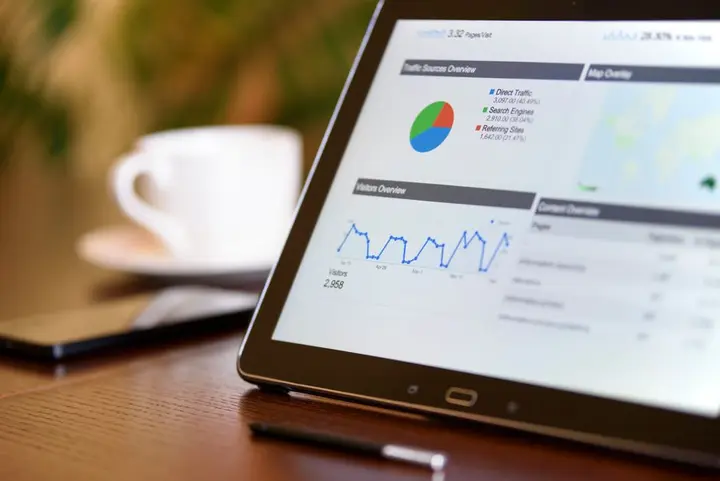
Track key signals over time
Monitor how many customers find you locally and how many convert after viewing your listing. Compare weeks to identify which updates drove more visibility. This helps allocate effort to the elements that matter most for traffic and sales.
Use simple dashboards to track views, saves, calls, and directions requests. Look for patterns after adding new photos, updating hours, or posting seasonal collections. Small data checks prevent big missteps.
Interventions should be incremental to learn what works. If you add a new photo set, give it a couple of weeks before judging impact, then refine captions and tags accordingly.
- Monitor search impressions and clicks
- Evaluate photo engagement
- Assess calls and direction requests
- Test one change at a time
- Schedule regular quick audits
Case study ideas and reader prompts
Turn reader stories into lessons
Invite customers to share how your outfits solved a moment or event. Use these anecdotes to illustrate fit, comfort, and style success. Real stories build authenticity that resonates with shoppers.
- Describe a styling challenge you solved.
- Explain how local visibility helped a launch.
- Show how a product fits into a capsule wardrobe.
Translate stories into short case studies: problem, solution, result. Highlight specific garments, styling ideas, and how local discovery aided the purchase.
Publish prompts that guide readers to reflect on their experiences with your fashion listings. Offer a simple template to capture photos, outfits, and outcomes for future features.
Future-proofing your local fashion listing
Plan for seasonal shifts
Fashion thrives on change. Prepare listings for spring textures, summer breezes, autumn layers, and winter essentials without overhauling the entire catalog. Strategic updates keep freshness without confusion.
Schedule recurring photo shoots and caption reviews. Fresh imagery for the same products keeps your listing relevant as trends rotate. Maintain consistency in lighting, backgrounds, and styling.
Anticipate events and collaborations that attract local shoppers. Proactive listings around fashion weeks, trunk shows, or pop-ups can amplify visibility in the community.
- Seasonal product photography plan
- Consistent caption updates
- Calendar for events and promotions
- Maintain brand coherence across seasons
Frequently asked questions
How long does it take for listing changes to show?
Updates typically appear within a few days, but it can take longer for larger changes. Plan a two-week window to assess whether a change moved the needle in visibility or engagement.
What photos should I use for my listing?
Use clear, well-lit images that show the garment on a person or flat lay with visible details. Avoid cluttered backgrounds and ensure color accuracy to manage customer expectations.
Do I need a website to list my business?
A listing can stand alone, but a simple, well-structured site helps shoppers explore your catalog and can boost trust when they click through from search results.
How do reviews affect local search?
Positive, recent reviews improve credibility and can influence nearby shoppers. Prompt customers with gentle requests after a successful purchase.
Conclusion
Take the time to audit your current Google listing with a fashion editor’s eye: are photos true to your brand, is the information current, and does a shopper see a clear path from search to sale? Start with the most impactful tweak you can make this week and measure its effect over two weeks.
Document a simple routine for ongoing updates—one photo refresh, one caption tweak, one hours update per month. This steady cadence builds trust and keeps your listing relevant as trends evolve.


