
16 min read · Updated: 2026-11-29
Style a bodycon dress by choosing a comfortable fit first, then adjusting layers, shoes and accessories to suit the setting. For daytime, add a relaxed shirt, cardigan or jacket and practical footwear; for evening, try a sharper layer, dressier shoes and a few considered accessories. The aim is to balance the close-fitting shape with pieces that feel appropriate to your plans.
Fabric and construction influence how a bodycon dress feels as much as its silhouette does. Check the garment’s stretch, lining and neckline, and consider what undergarments work smoothly beneath it before building an outfit.
Small changes can take the same dress from a casual lunch to an evening gathering. Use the outfit ideas below to choose layers and finishing touches that suit your comfort, the weather and the occasion.
- Choose a bodycon dress that lets you sit, walk and move comfortably.
- Use relaxed layers to make the fitted silhouette feel casual and weather-ready.
- Match shoes to the venue, walking and hemline, then keep accessories in balance.
- Check foundations and outfit details in advance to avoid shifting layers or visible lines.
What Makes a Bodycon Dress Different
Close Fit, Clear Silhouette
A bodycon dress is defined by a close fit that follows the body rather than falling away from it. Stretch-knit fabrics are common because they allow movement while keeping the silhouette neat. Unlike a shift dress, which hangs more loosely, this shape makes the fabric and its fit especially noticeable.
- Bodycon describes a close-fitting silhouette, not one specific length or neckline.
- Fabric stretch and construction affect comfort and how the dress sits.
- Use layers and accessories to set the outfit’s level of formality.
The cut can vary considerably: some styles have long sleeves and high necklines, while others are sleeveless, low-cut or designed with a slit. Length also changes the overall feel, from a short mini to a calf-skimming midi. Look at the garment’s shape as well as its label when deciding how formal it feels.
If you are comparing bodycon dresses from international shops, serbest piyasa döviz kurları can help you understand exchange-rate context before deciding what to buy. For styling, focus on the balance between the dress’s close silhouette and the ease of the pieces around it. A relaxed layer or simple accessories can keep the outfit feeling considered rather than overdone.
Fabric and Construction Matter
Check the fabric composition and thickness before choosing how to wear a bodycon dress. A substantial knit may feel supportive and work well on its own, while a lighter jersey can benefit from a smooth layer underneath. Ribbed textures add visual detail, whereas a plain finish creates a cleaner base for accessories.
Construction details shape both comfort and styling options. Seams, ruching and lining can change how a dress lies, and a side slit may make walking easier in a longer hem. Examine the neckline and armholes too; a cut that sits comfortably is less likely to need constant adjustment throughout the day.
Consider the care instructions and the conditions in which you plan to wear the dress. A fabric that wrinkles easily may need more attention before an event, while a stretch style can be practical for a long day. Choose a dress that allows you to sit, walk and raise your arms without feeling restricted.
Start with a Comfortable Fit and Foundation
Check Movement and Length
Try sitting, walking and reaching in the dress before settling on a size. The fabric should follow your shape without pulling sharply across seams or riding up with every step. If you are between sizes, compare the fit at the shoulders, bust and hips, then decide which areas need the most ease for comfortable wear.
A hem that feels manageable when standing can behave differently as you move. Walk a few steps and sit down to see whether the dress stays in place and whether a slit opens more than you prefer. Check that sleeves and straps remain comfortable too, especially if you expect to wear the dress for several hours.
Use the size guide as a starting point rather than relying on a size label alone, since cuts and fabrics vary. Take your measurements and compare them with the garment’s listed details where available. If a dress feels restrictive in the fitting room, adding a jacket later will not solve the underlying fit issue.
Choose Smooth Foundations
Select undergarments that lie smoothly beneath the dress and suit its neckline and fabric. Seamless styles can reduce visible lines under thin knits, while a supportive bra should match the straps or cut of the garment. Check the look in natural light, where texture and edges may be easier to see.
A slip or smoothing layer can help if the fabric is lightweight or clings more than you like. Choose a piece that does not bunch at the waist or show below the hem, and make sure it allows comfortable movement. Avoid adding layers simply by habit; the dress should still feel breathable and easy to wear.
Think about the whole outfit when deciding on a foundation layer. A low back, open sides or thin straps may call for a different solution than a high-neck, long-sleeved style. Test the combination before the occasion, including sitting and bending, so you can spot shifting straps or visible edges in advance.
- Match bra straps to the dress neckline.
- Choose smooth layers beneath lightweight fabric.
- Check the full look in natural light.
Build a Casual Look with Easy Layers
Add Relaxed Everyday Layers
A relaxed layer softens the fitted shape and makes a bodycon dress feel ready for daytime. Try an open button-down shirt, a roomy cardigan or a denim jacket, choosing a length that works with the dress hem. When checking a dress or accessories listed in another currency, döviz kurları çevir can help you estimate the amount in your own currency.
Keep the rest of the outfit simple when the layer has a strong texture or pattern. A plain cardigan over a ribbed dress, for example, adds warmth without competing with the fabric. For a more casual effect, leave a shirt unbuttoned and let its loose lines contrast with the dress’s closer fit.
Consider the weather and how easy the layer is to remove once you are indoors. A light overshirt works for mild conditions, while a cardigan or relaxed blazer can add warmth without changing the base outfit. Check that sleeves do not catch on the dress and that the extra fabric does not make walking awkward.
| Layer | Best for | Styling effect |
|---|---|---|
| Open button-down | Mild weather | Relaxed and easy |
| Roomy cardigan | Cooler days | Softens the silhouette |
| Denim jacket | Casual outings | Adds structure and texture |
| Cropped jacket | A defined waist | Highlights the waistline |
Balance Proportions and Texture
Balance a fitted dress with a layer that has a little ease, rather than adding another tight piece on top. A cropped jacket can define the waist, while a longer open shirt creates a more relaxed vertical line. Try both lengths in front of a mirror to see which feels right with the dress hem.
Texture can make a simple daytime outfit look deliberate without requiring many accessories. Pair a smooth dress with a knit cardigan, or use a denim jacket over a soft jersey style. If the dress already has ribbing, ruching or a bold print, keep the added layer quieter so the outfit does not feel busy.
Choose colours with the setting and the rest of your wardrobe in mind. Neutrals are easy to mix, while a contrasting layer can make a plain dress feel more distinctive. A practical test is to remove the jacket and check that the dress still looks complete; that way, the outfit works in changing temperatures.
- Use a cropped jacket to define the waist.
- Try a longer open layer for a relaxed line.
- Keep additional texture simple when the dress is detailed.
Choose shoes according to where you will wear the dress and how much walking the day involves.
Choose Shoes and Accessories for the Occasion
Match Shoes to the Setting
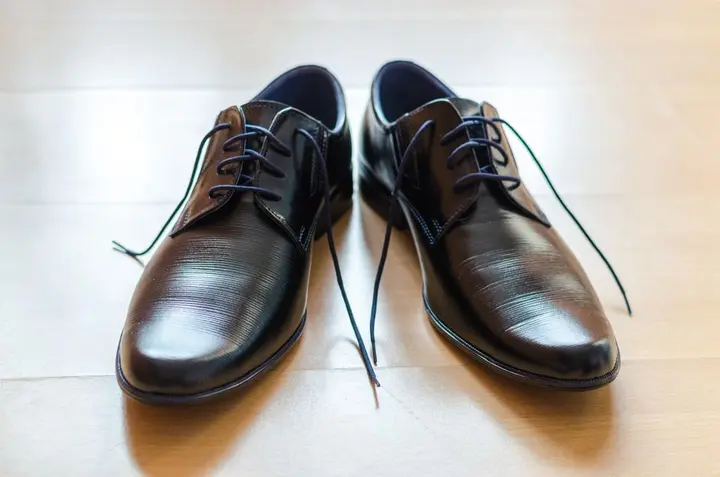
Choose shoes according to where you will wear the dress and how much walking the day involves. Clean trainers or flat sandals bring a casual feel, while loafers offer a polished option that remains practical. For an evening event, a low heel or dressy flat can sharpen the outfit without making comfort an afterthought.
- Check the venue and expected walking.
- Choose flats or trainers for a casual day.
- Try a stable heel or dressy flat for evening.
- Walk in the complete outfit before leaving.
The hemline can help guide the shoe choice. A midi dress leaves more of the shoe visible, so a simple shape can keep the line uncluttered; a mini can work with flats, trainers or a boot depending on the weather. Try the combination standing and walking to check that the proportions and comfort both work.
Consider the surface and conditions at your destination before choosing a heel. A narrow heel may be awkward on grass or uneven paving, while a stable block heel or flat shoe is easier to manage. If you need to carry a change of shoes, choose a pair that fits neatly into your bag and suits the rest of the outfit.
Finish with Considered Details
Use accessories to support the dress rather than compete with its shape. A small shoulder bag and understated earrings suit a simple daytime outfit, while a structured clutch or a more noticeable necklace can shift the same dress towards evening. Choose one focal detail if the dress already has a striking neckline or strong colour.
Belts can add definition, but they are not essential with a bodycon silhouette. If you try one, check that it sits comfortably and does not cause the fabric to gather or twist. A lightweight scarf, simple watch or delicate chain can be an easier finishing touch when you want interest without interrupting the clean line.
Think about how accessories work with the dress’s neckline and any outer layer. Long earrings can complement a higher neckline, while a shorter necklace may sit better with an open collar. Before heading out, check that bags, jewellery and fastenings do not snag the fabric or make it difficult to move.
- Choose one focal accessory for a detailed dress.
- Keep a simple dress open to bolder finishing touches.
- Check jewellery and bag fastenings for snags.
Make a Bodycon Dress Work for Evening
Choose Evening-Ready Details
For an evening event, let one polished detail make your bodycon dress feel deliberate rather than overdone. A satin finish, a clean neckline, or a subtle back detail can provide enough visual interest, while simple earrings and a small bag keep the look balanced. If the dress is already embellished, choose accessories with quieter lines.
- Let either the dress or the accessories carry the shine, not both.
- Match the level of formality to the event and venue.
- Test the hem and straps while moving before you go out.
Consider the setting before choosing how much skin or shine to show. A fitted midi dress with a higher neckline suits a dinner reservation, while a shorter style can feel at home at a relaxed party. For a formal invitation, a dark, smooth fabric and refined shoes usually read more dressed up than several sparkling accessories.
Check how the dress looks when you sit, reach, and walk before leaving. Evening plans often involve movement, and a hem that rides up or straps that shift can distract you from enjoying them. If you need a small adjustment, try it at home first, then make sure the dress still feels comfortable in every position.
Balance Shine and Texture
If the dress has a glossy finish, pair it with accessories in a quieter texture, such as matte leather or brushed metal. This contrast helps the fabric stand out without making the whole outfit feel busy. A simple clutch and one piece of jewelry can be more effective than adding several competing finishes.
For a plain, matte bodycon dress, texture can add evening interest without changing the silhouette. Try a softly structured jacket, a delicate necklace, or shoes with a subtle sheen. Keep the color palette focused, especially if the dress already has a bold hue or a distinctive neckline.
Think about the lighting and temperature of the venue as well as the photographs you may take. Very reflective fabric can catch bright indoor lights, while a textured layer gives the outfit depth when worn or photographed. Choose details that still feel like you, rather than adding shine simply because the occasion is at night.
Avoid Common Fit and Styling Mistakes

Spot Fit Problems Early
Check the dress in natural light and from more than one angle before deciding that the fit works. Horizontal pulling across the hips, fabric that twists at the side seams, or straps that dig in can signal a size or cut mismatch. The better approach is to try another size or silhouette, not rely on constant tugging.
Choose undergarments that lie smoothly and stay in place through normal movement. Visible seams or rolling edges can show more clearly beneath a close-fitting knit, particularly in lighter colors. A seamless option may help, but comfort matters too; if it pinches or shifts when you sit, it is not a practical foundation.
A bodycon dress should follow your shape without restricting your breathing or stride. Walk, sit, and lift your arms before wearing it for a full day or evening. If you are comparing dresses priced in US dollars, şu an dolar kaç TL can help you check the approximate local-currency value before you commit.
Keep the Outfit in Balance
Avoid adding a tight layer over a dress that already feels restrictive. A fitted blazer or short cardigan can work, but the fabric should glide over the dress rather than tug at its seams. If the layers bunch when you move, wear the outer piece open or choose a more relaxed cut.
Accessories can also tip a simple outfit into visual clutter. When a dress has a strong print, an unusual neckline, or a cutout, let that feature remain the focus and keep jewelry restrained. For a plain dress, choose one noticeable accent, such as a structured bag or a bold earring, rather than several at once.
Do not assume that a heel is necessary to make a bodycon dress look polished. A clean flat, loafer, or simple sandal can suit the dress and the occasion, provided the proportions feel intentional. Try the shoes with the hem you plan to wear, since a small change in length can alter the overall balance.
Add Seasonal Layers Without Losing the Shape
Layer for Changing Weather
For cooler weather, add a layer that frames the dress instead of hiding its shape. A cropped jacket, a neat cardigan worn open, or a coat with a defined shoulder can keep the waist and hemline visible. Choose a layer that moves easily over the fabric, especially if the dress is a soft knit.
In mild weather, a light shirt or thin cardigan can provide coverage without adding much warmth. Wear it open to preserve the dress's outline, or tie it loosely at the waist if the fabric does not pull or bunch. A narrow belt can define the waist, but skip it when the dress already fits securely.
When temperatures shift during the day, make the outer layer easy to remove and carry. A compact jacket or soft wrap can be more useful than a heavy piece that changes the outfit's proportions. Check the full look with the layer both on and off so the dress still feels complete when the weather warms.
Choose Fabrics That Cooperate
Pair smooth, stretchy dresses with outer layers that have a soft lining or a relaxed fit. Rough or clingy fabric can catch against the dress and make it ride up as you walk. Before wearing the combination out, put both pieces on and check that the layer slides off and on without disturbing the hem.
For winter, tights can add warmth while keeping the outfit streamlined, especially with a long-sleeved dress and ankle boots. Choose a shade that works with the dress and shoes rather than introducing an abrupt contrast by accident. If the fabric clings to the tights, a slip designed for the dress may reduce friction.
In warmer seasons, use lighter layers for shade or indoor air conditioning instead of adding heavy structure. A loose linen shirt worn open can soften the fitted silhouette while allowing airflow. Keep the sleeves and hem manageable, though; fabric that constantly needs adjusting can make a comfortable dress feel inconvenient.
Finish with Personal Details and Confidence

Make Small Choices Count
Choose one personal detail that gives a simple bodycon dress character, such as a favorite pendant, a colorful bag, or a distinctive hair accessory. Keeping the rest of the outfit restrained lets that detail feel intentional. If the dress already has a dramatic neckline or print, make your personal touch smaller and let the garment lead.
Color can shift the mood without changing the dress itself. Pair a neutral dress with a bright shoe or bag for a playful daytime feel, or use tonal accessories for a quieter evening look. Before adding a new color, check it beside the dress in the light where you will wear the outfit.
Pay attention to practical finishing touches as well as appearance. Secure jewelry that catches on the fabric, check that a bag strap does not pull at the neckline, and make sure shoes remain comfortable when standing. Small adjustments made before you leave can help the outfit feel natural instead of requiring constant attention.
Wear the Look Your Way
Confidence often comes from knowing that the dress suits the plans you have, not from following a fixed styling formula. If you feel more comfortable with extra coverage, add a layer or choose a higher neckline. If you prefer a minimal look, keep the accessories quiet and let the cut speak for itself.
Use a full-length mirror to assess the outfit, then check comfort without staring at every detail. Sit, walk, and reach for something as you would during the day. If you can do those things without pulling at the dress, the styling is likely practical enough for your plans.
Before heading out, use a short checklist rather than adding last-minute extras. Confirm that the hem stays in place, the shoes suit the length, and the layer works with the dress. Then stop adjusting: a considered outfit usually feels more confident when you wear it naturally instead of monitoring it all evening.
- Check the hem while walking and sitting.
- Make sure shoes suit the dress length.
- Confirm layers do not pull or bunch.
- Remove accessories that catch on the fabric.
Frequently asked questions
Can I wear a bodycon dress to work?
A bodycon dress can work in a professional setting when its length, neckline, and fabric feel appropriate for your workplace. Choose a style that lets you sit and move comfortably, then add a structured jacket or cardigan for coverage. A matte fabric and simple shoes can make the outfit feel more office-ready than a shiny finish or dramatic cutout.
What jacket looks good over a bodycon dress?
A cropped jacket, a relaxed blazer, or a coat with a defined shoulder can complement a bodycon dress without hiding its shape. The best choice depends on the dress length and the weather. Try the pieces together and check that the jacket does not catch on the fabric or pull at the seams when you move.
How can I style a bodycon dress without heels?
Pair the dress with clean flats, loafers, ankle boots, or simple sandals, depending on the occasion and season. Keep the shoe shape in proportion to the hem: a streamlined flat often suits a fitted midi, while boots can add weight to a shorter dress. Try the full outfit before going out to check the balance.
Which accessories suit a printed bodycon dress?
Keep accessories relatively simple when the print is the main feature. Small earrings, a plain bag, and shoes in a color already present in the pattern can help the outfit feel connected. If the print is subtle, one more noticeable accessory can add contrast; avoid stacking several bold pieces that compete with the dress.
Make the Dress Feel Like Yours
A bodycon dress can suit more than one occasion when you start with comfort, then adjust the layers, shoes, and accessories to match your plans. Check the fit in motion, let one detail lead, and choose a layer that works with the dress rather than fighting its shape. These small decisions make the outfit easier to wear and more adaptable.
Before your next outing, try the dress with the shoes and outer layer you expect to wear, then sit, walk, and reach in front of a mirror. Keep the combination that feels comfortable and looks balanced, and remove anything that needs constant fixing. That practical test gives you a reliable starting point for styling the dress your own way.


