
17 min read · Updated: 2026-11-28
Good party dress ideas start with the invitation: check the venue, time, dress code and planned activities before choosing a style. Then consider how you want the dress to fit, which fabrics suit the setting, and what you can comfortably wear for the whole event. A polished look should feel appropriate and easy to move in.
A cocktail party, garden gathering and formal evening call for different choices, even when each invitation simply says “party.” A sleek midi can work across many settings, while a playful mini or flowing maxi makes a more specific statement. The guide below helps you compare those options without losing sight of comfort.
Think of shoes, a layer and a small number of accessories as part of the outfit, not last-minute extras. Their colour, texture and practicality can change how a dress reads, and the right choice means you spend the event enjoying yourself rather than adjusting your look.
- Use the invitation, venue and activities to judge the right level of formality.
- Choose a silhouette and hemline that let you sit, walk and dance comfortably.
- Match fabric, colour and details to the setting, then keep styling balanced.
- Try the complete outfit together before the event.
Start with the invitation and setting
Read the occasion clues
Use the invitation to narrow your choices before browsing dresses: look for a dress code, venue, start time and any planned activity. A cocktail reception in a hotel suggests a different level of polish from a birthday picnic in a park. If the wording is vague, the location and host’s description can help you judge the mood.
- ☐ Confirm the dress code before choosing a hemline or fabric.
- ☐ Check the venue surface if you plan to wear heels.
- ☐ Choose a layer if the event includes time outdoors.
- ☐ Make sure the dress allows you to sit, walk and dance.
Consider the practical details that shape your outfit once you arrive. A long walk, outdoor lawn or crowded dance floor may make a sweeping hem, delicate shoes or restrictive fit less convenient. For a fashion business publicising an event, cheap press release distribution may be a separate practical consideration while you choose your own outfit.
If you are unsure how formal to go, aim for the middle of the invitation’s clues rather than the most elaborate interpretation. A refined midi dress can feel dressed up without looking overdressed at a semi-formal gathering. You can then adjust the impression with shoes, jewellery or a jacket, depending on the venue and time.
- Check the stated dress code.
- Note whether the party is indoors or outdoors.
- Consider the start time and planned activities.
- Choose shoes suited to the venue.
Plan for the venue
Let the setting guide how much structure and movement your dress needs. A restaurant dinner often suits a neat midi or a softly tailored mini, while an outdoor celebration may call for a lighter skirt that moves comfortably. For a party at home, a less formal fabric can still look considered when the cut fits well.
Think about lighting and temperature as well as the room itself. Satin and sequins catch light at evening events, while a daytime garden party may call for a print or a softer finish. If the celebration continues outdoors after sunset, bring a layer that complements the dress instead of hiding its shape.
Plan for what you will actually do during the event, not just how the dress looks in a mirror. A tight skirt can make sitting awkward, and a strapless neckline may need frequent adjustment if you expect to dance. Try the outfit with your intended shoes and walk, sit and raise your arms before committing.
Choose a silhouette that feels comfortable
Balance shape and movement
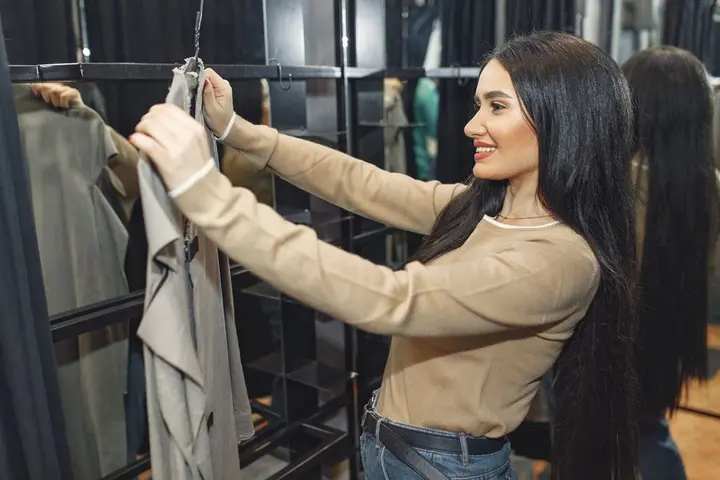
Choose a silhouette by checking how it feels in motion, not only how it looks standing still. A fit-and-flare dress gives the hips room to move, while a bodycon cut follows the figure and may feel more secure in a stretch fabric. Boutique owners sharing a seasonal collection can explore a guest post marketplace as a separate promotional task.
- A fit-and-flare cut allows room for movement.
- A wrap waist offers adjustable shaping.
- Comfortable shoulder and bust fit matters as much as the silhouette.
A wrap dress lets you adjust the waist, while an A-line skirt offers space through the lower half without feeling oversized. A column shape creates a longer, cleaner line, but check that the fabric does not restrict your stride. Sit down in each style, since waist seams and skirt openings can feel different when seated.
Look for fit at the shoulders, bust and waist before deciding whether a dress is flattering. Pulling across the chest, slipping straps or a waist seam that twists can distract you throughout the event. Small alterations may improve a near-perfect fit, but choose a different cut if you need repeated adjustments just to move comfortably.
- Try walking and sitting in the dress.
- Check that straps stay in place.
- Choose stretch or roomier cuts for dancing.
- Notice whether seams pull or twist.
Choose a confident hemline
Pick a hemline that suits both the event and the way you like to move. A mini can feel lively at a casual birthday or dance party, while a midi often works for dinners and cocktail events. A maxi creates a more dramatic impression, but check that it clears your shoes and does not trail underfoot.
The same length can read differently depending on the cut and fabric. A structured mini may look sharper than a loose one, while a flowing midi can feel relaxed rather than formal. Try the dress with the shoes you plan to wear, because heel height changes where the hem falls and how easily you walk.
Do not choose a length solely because it is considered suitable for a particular body type. The useful test is whether you feel at ease sitting, standing and moving in it. If you keep tugging at the skirt or worrying about the hem, try another length or a cut with more coverage.
Explore fabrics, colours, and details
Match fabric to the mood
Choose fabric according to the party’s setting, season and level of formality. Satin brings a smooth sheen that suits evening occasions, while lace adds texture and can feel romantic or dressy. For designers or retailers weighing editorial coverage, buy sponsored posts is a separate option to research beyond outfit planning.
Consider how the material behaves when you move and sit. A soft jersey usually gives more stretch than crisp taffeta, while a lightweight fabric may need a lining to feel secure. Check whether the dress clings, creases easily or catches on accessories; these details matter when you will wear it for several hours.
Use texture to make a simple silhouette feel intentional, rather than layering on several competing details. A satin slip dress can look polished with understated jewellery, while a lace dress may need little embellishment. If the fabric already shines, a quieter shoe or bag helps keep the outfit balanced and comfortable to wear.
- Satin: smooth sheen for evening occasions.
- Lace: textured and often romantic.
- Jersey: flexible for easy movement.
- Taffeta: crisp structure for a dressed-up look.
| Fabric | Best suited to | Consider |
|---|---|---|
| Satin | Evening events | Shine and possible creasing |
| Lace | Romantic or dressy occasions | Texture and snag risk |
| Jersey | Relaxed parties | Stretch and cling |
| Taffeta | Structured looks | Crisp feel and movement |
Use colour and detail
Choose colour with the setting and the rest of your wardrobe in mind. Jewel tones and darker shades can suit evening events, while lighter colours and floral prints often feel at home at daytime gatherings. If the invitation suggests a theme, use it as a guide rather than feeling obliged to match every detail.
Print scale and placement affect the overall impression of a dress. Small polka dots can look playful, while a bold floral print may become the outfit’s main feature. Try the dress in natural and indoor light if possible, since a shade can appear different under shop lighting or evening venue lights.
Treat details such as a low back, cut-outs, ruffles or sequins as choices that affect comfort as well as appearance. Check what undergarments work with the neckline and whether embellishments rub or snag when you sit. A single standout feature is often easier to style than several competing details.
When an invitation gives no dress code, look for clues in its wording and setting.
Match the dress to the party’s formality
Decode dress codes
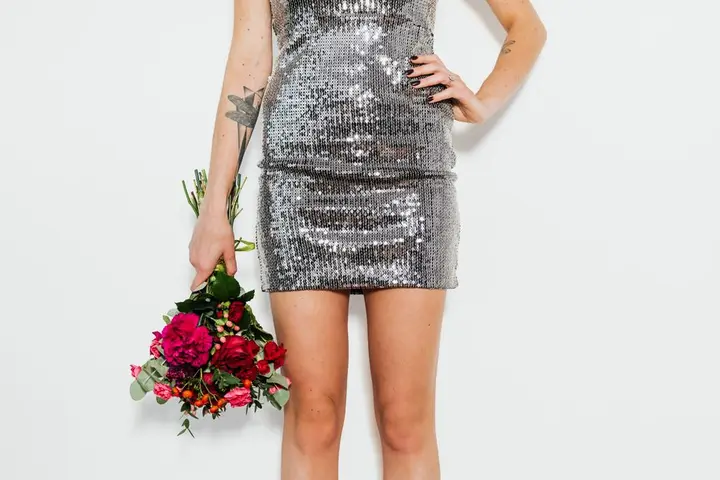
Treat a dress code as a guide to formality, then use the venue and time to refine your choice. Cocktail attire usually suits a polished midi or a refined mini, while a formal evening event may call for a floor-length dress or an elegant, structured design. If you organise promotions for a fashion label, white label press release distribution may support separate campaign work.
- Mistake: Treating every party as a formal event; better: follow the invitation and venue.
- Mistake: Choosing a dress that competes with a stated theme; better: use the theme as a subtle cue.
- Mistake: Guessing when the dress code is unclear; better: ask the host.
When an invitation gives no dress code, look for clues in its wording and setting. A reception at an elegant restaurant suggests a more polished look than a casual gathering in a friend’s garden. If you still feel uncertain, ask the host what level of dress is expected rather than guessing from a single detail.
Avoid reading “festive” as a requirement for sequins or bright colour; it can simply mean choosing something more expressive than everyday wear. A printed midi, a well-cut mini or a satin dress can each feel celebratory when styled appropriately. Keep the overall look aligned with the event instead of trying to make the dress do everything.
- Cocktail: consider a polished midi or mini.
- Formal evening: try a long or structured dress.
- Casual gathering: choose a relaxed cut and fabric.
- Unclear wording: check with the host.
Style the full outfit
Let shoes and accessories bring the dress to the right level of polish. Simple heels and a small bag can sharpen a plain midi, while flats and a light jacket make a printed dress feel more relaxed. Keep comfort in view: shoes that are difficult to walk in can undermine even the most carefully chosen outfit.
Choose a layer that works with the neckline and shape of the dress. A cropped jacket can preserve a defined waist, while a longer coat may sit better over a straight silhouette. For a bare-shouldered or backless style, check that the layer stays in place and does not snag delicate fabric.
Finish by trying on every part of the outfit together, including underwear and any planned outer layer. Check that jewellery does not catch on lace, straps remain secure and the hem works with your shoes. Set aside a small adjustment option, such as fashion tape or a spare hair tie, if it addresses a real fit concern.
Avoid common fit and styling mistakes
Check the Fit in Motion
Check a party dress while sitting, reaching, and walking, not only while standing still in front of a mirror. A skirt that rides up when you sit or a neckline that shifts as you move can become distracting during dinner or dancing. Try the movements you expect to make before deciding the fit feels right.
Pay attention to where seams and waistlines sit on your body rather than relying only on the size label. If a fitted dress pulls across the hips or wrinkles at the bust, try another cut or size instead of assuming the fabric will relax. A tailor may adjust a hem or strap, but substantial tension is harder to fix.
Fashion writers planning to share outfit inspiration beyond their own channels may look into a guest posting service; the practical style check remains whether each look works in motion. For your own outfit, bring the shoes you plan to wear when trying on a long dress. That makes it easier to judge the hem and avoid catching fabric underfoot.
Keep Details in Balance
Choose one main feature and let the rest of the outfit support it. If a dress has sequins, a dramatic neckline, or a bold print, simple shoes and understated jewellery usually keep the look composed. Combining several statement details can make the outfit feel busy and leave little room for the dress itself to stand out.
Check the full look under lighting similar to the party venue, especially when a fabric is sheer, shiny, or pale. A lining that seems opaque in a fitting room may look different in bright light or photographs. Wear the undergarments you expect to use so you can spot visible lines or colours before the event.
Avoid choosing accessories that compete with the dress's most distinctive detail. For a backless style, for instance, a necklace may draw attention away from the open back, while dangling earrings can complement it without crowding the design. Take a quick photo from the front and back to notice details you might miss in the mirror.
- Check the dress sitting down.
- Test sleeves and straps while reaching.
- Review the outfit in bright light.
Build a look with thoughtful accessories
Choose Shoes for the Setting
Choose shoes that suit both the venue and the amount of time you will spend on your feet. A slim heel may complement a formal dress indoors, while a block heel or polished flat can feel steadier on grass, cobbles, or a crowded dance floor. Try the shoes with the dress to check the hem and your stride.
- Decide how formal the venue is.
- Choose a shoe stable enough for its surfaces.
- Try it with the dress and check the hem.
- Add a backup pair if you expect to be on your feet.
A stylist or fashion business owner seeking professional marketing support could consult an seo agency directory; for a party outfit, start by choosing accessories that serve the occasion. If you are unsure about the venue's surfaces, pack a comfortable backup pair for the journey home or dancing. Make sure any change in heel height will not leave a long hem dragging.
Consider whether shoes need to coordinate exactly with the dress; they do not always have to match its colour. A neutral shade can let a patterned dress take focus, while a metallic finish can pick up details in a simple evening look. Keep the overall palette intentional by repeating one colour in another small accessory.
Add Jewellery and a Bag
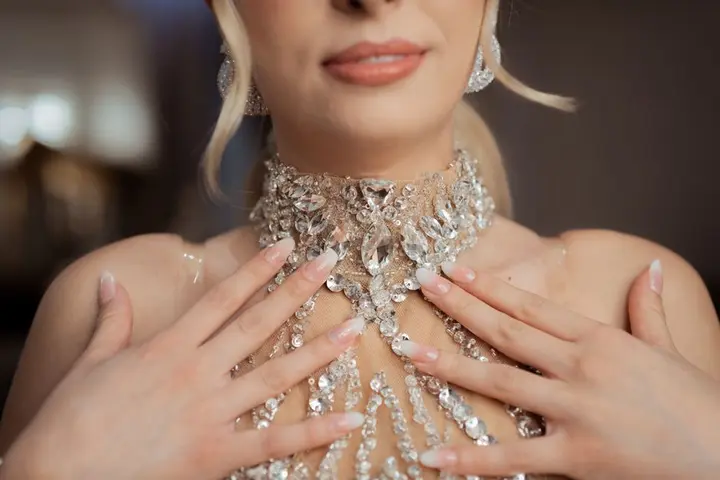
Use jewellery to frame the dress rather than cover its defining details. A simple pendant can suit a clean neckline, while earrings may be the better choice with a high neck or embellished bodice. Check that necklaces do not snag lace or delicate straps, and that bracelets do not catch on sleeves.
A small bag is often easier to manage at a party than a large everyday tote. Choose one that can hold essentials such as a phone, keys, and a lipstick, and check that its closure stays secure when carried on the dance floor. A detachable strap can be useful for arriving and leaving hands-free.
Coordinate finishes without making every accessory identical. Gold-toned earrings can work with a bag that has a different warm metal detail, while a contrasting clutch can add definition to a plain dress. Lay the pieces beside the outfit before the event and remove any item that feels distracting or uncomfortable.
- Match jewellery scale to the dress details.
- Choose a bag that holds your essentials.
- Test closures and straps before leaving.
Plan ahead for a special event
Allow Time for Alterations
Try on your chosen dress early enough to arrange a simple alteration if the hem, straps, or waist need attention. Bring the shoes and undergarments you will wear to the fitting, since both can affect how the dress hangs. Ask the tailor to pin the intended hem while you stand naturally, rather than holding an unusually straight pose.
Check the care label before buying or setting a dress aside for an event. Some fabrics need careful steaming or specialist cleaning, while others can be refreshed at home according to their instructions. Knowing the care requirements in advance helps you avoid discovering too late that a last-minute wash could damage the garment.
Keep the dress, accessories, and event details together in one place as the date approaches. A stylist or fashion business owner arranging broader communications could consult an seo agency directory for professional support, while guests can use a simple checklist for outfit logistics. Note the venue, arrival time, transport plan, and any dress-code wording.
Prepare for Changing Conditions
Consider the journey and venue temperature as well as the party itself. A sleeveless dress may feel comfortable indoors but chilly while waiting outside, so plan a neat layer that works with its neckline and shape. For an outdoor event, check whether the ground or weather could affect your shoes or hem.
Pack small practical items that address likely outfit problems without turning your bag into an emergency kit. A safety pin can help with a loose fastening, while blister plasters may make new shoes easier to wear. Keep any repair items discreet and test unfamiliar products before relying on them during the event.
Make a final try-on a few days ahead rather than dressing for the first time as you leave. Confirm that the zip closes smoothly, straps stay in place, and chosen accessories do not catch the fabric. If something feels wrong, you still have time to adjust the styling or choose a more comfortable option.
- Check the forecast and venue conditions.
- Choose a layer that suits the dress.
- Pack a few relevant comfort or repair items.
Keep the outfit easy to wear

Prioritise Comfort Throughout
Choose a dress you can wear for the whole event, not just for the first photograph. Fabrics that breathe and seams that do not rub can make a long evening more pleasant, especially when you expect to dance or move between rooms. Walk around during your try-on and notice any pressure at the waist, shoulders, or underarms.
Think through the practical details that affect comfort once you are dressed. Check whether the fastenings are easy to manage, whether sleeves allow you to lift your arms, and whether the skirt lets you take a full step. A beautiful dress is a stronger choice when you can move, sit, and enjoy the party without constant adjustments.
Keep a backup plan simple and focused on comfort rather than replacing the whole look. If a shoe begins to pinch, changing into a pair you have already tested can help; if the room is cool, a coordinated wrap can add warmth. Avoid bringing an untested item that might introduce a new fit or styling problem.
Make Getting Ready Simple
Lay out the complete outfit before the event so you can catch missing pieces while there is still time to find them. Include the dress, shoes, undergarments, jewellery, bag, and any layer you may need. This also gives you a chance to see whether colours and proportions work together before you are in a hurry.
Choose a getting-ready order that protects the dress and avoids makeup or hair products transferring onto it. Finish styling your hair and makeup first when the dress has a narrow neckline, or cover the garment with a clean cloth while getting ready. Follow the garment's care instructions if it needs steaming, and keep heat away from delicate trim.
Give yourself enough time to dress without rushing through fastenings or accessories. Put on jewellery after the dress to reduce the chance of snagging, then check the back and hem in a full-length mirror. A final walk around the room can confirm that the outfit feels secure and that nothing needs adjusting before you leave.
- Lay out every outfit piece in advance.
- Protect the dress while doing hair and makeup.
- Check the back, hem, and fastenings before leaving.
Frequently asked questions
How can I tell whether a party dress is comfortable enough?
Try it on with the undergarments and shoes you expect to wear, then sit, walk, reach, and raise your arms. Notice whether seams rub, straps shift, or the skirt restricts your stride. If you keep adjusting the dress during a short try-on, it is likely to distract you during a longer event. Comfort should hold up through ordinary movement.
What should I bring if I might dance?
Wear shoes you have already tested on a similar surface and choose a dress that allows you to take full steps and lift your arms. A small bag can hold essentials without getting in the way, and a secure closure helps keep belongings safe. If you want backup shoes, choose a pair that works with the dress's hem.
How do I accessorise a dress with a bold print?
Let the print lead and keep most accessories simple. Shoes and a bag in a neutral shade can create a calm base, while one small piece of jewellery can pick up a colour already in the pattern. Avoid adding several competing colours or oversized details; try the full combination together and remove anything that makes the dress feel crowded.
Can I wear the same party dress to different events?
Often, yes: accessories and layers can shift the impression without changing the dress. Try polished heels and refined jewellery for a more formal gathering, or simpler shoes and a light wrap for a relaxed occasion. Check each invitation's dress code and consider the venue before reusing the outfit, since comfort and appropriateness matter as much as versatility.
Make Your Choice Work for You
A successful party outfit starts with the event, but it should also suit the way you move and feel. Check fit in motion, choose accessories that support rather than compete with the dress, and allow time for practical details such as alterations, care, and changing weather. Those small checks help turn a promising look into one you can enjoy throughout the occasion.
Before settling on a dress, put on the complete outfit and wear it around the room for a few minutes. Sit, walk, reach, and check the hem with your chosen shoes; then remove any accessory that catches or feels distracting. If the look passes those tests and fits the invitation, set it aside ready for the event.


