
9 min read · Updated: 2026-10-11
You’re reading for clear, useful guidance that fits a fashion reader’s life. This guide explains how to handle a traffic incident without derailing your style or schedule, with concrete steps you can take right away. Expect practical, calm instructions that connect the everyday act of dressing well with the realities of an accident.
First, know your rights and the basic documents you’ll need. Then, consider how to document what happened and what to tell insurers, in language that won’t derail your plans. Finally, see how to dress and move through the aftermath with confidence, not panic.
When a crash happens, you still want to project calm and control. You’ll learn how to collect information, protect your outfit, and plan your next steps. This isn’t about fear; it’s about practical preparation that keeps your day on track.
- Plan for the incident with a calm, practical mindset. Gather information, document it, and keep outfits simple and presentable.
- Document the scene thoroughly, then coordinate with insurers to protect your time and schedule.
- Dress for ease of movement and confidence, so you remain composed through the claims process.
- Use a simple, repeatable timeline to manage post-incident steps and stay on track for commitments.
Basics you should know
Legal essentials in brief
Start with the basics: if you’re involved in a crash, record names, contact details, and vehicle information. Avoid admitting fault on the scene; stick to facts and observations. This is the moment to stay composed and collected, not reactive. advocaat bij een verkeersongeval
This section helps you create a clean legal trail so insurers can process your claim smoothly. It also reduces later confusion when you review the incident.
A short, practical checklist helps you keep track of what to gather: photos, witness contacts, and the location of the accident.
- Take clear photos from multiple angles
- Note time, weather, and lighting
- Get a police or incident report if applicable
- Exchange information calmly
- Ask for directions to the nearest hospital if needed
What to tell your insurer
Contact your insurer promptly after the incident to report the claim. Provide factual details rather than emotion or speculation. A calm, precise account helps avoid delays and back-and-forth questions.
Documenting the scene with photos supports your statement if there’s any dispute about fault or damage.
Keep receipts for immediate expenses related to the event, such as rental cars or repairs, to support your claim.
- Describe what happened chronologically
- Mention any injuries and medical consultations
- Provide the other party’s information and vehicle details
- Request a claim reference number
- Avoid signing statements you don’t fully understand
How this affects your style
Dress and movement
Choose clothing that won’t hinder movement when you exchange information or wait for assistance. Opt breathable fabrics that resist wrinkles, so you stay presentable in photos and at the scene. A useful resource on this topic: Utrecht Krant.
Avoid restrictive items that limit quick access to documents or shoes that slip in rain or gravel.
Plan a lightweight layer you can add or shed quickly as the weather changes or you move between locations.
- Prioritize comfort over novelty
- Pack a small, flat notepad for notes
- Carry a tidy bag to organize paperwork
- Wear shoes with solid grip for stability
Post-incident travel and photos
If you’re able to move, photograph the scene carefully from different angles. Include road markings, vehicle positions, and any hazards.
Keep your own travel plans flexible: you may need to delay a shoot or meeting while you handle the incident.
Use a neutral backdrop for any subsequent photos to avoid distracting details in your claim.
- Document time and place with a date stamp
- Take a wide shot, then close-ups of damage
- Avoid red-eye or blur by steadying your hands
- Ensure background is uncluttered and relevant
Options for recovery
Repair vs. replace
Assess whether the damage can be repaired cleanly or whether a replacement is more economical. Your insurer may guide you, but you can also request a second opinion.
- ☐ Choosing the cheapest repair without quality check
- ☐ Ignoring the impact on your schedule
- ☐ Not clarifying rental coverage
- ☐ Failing to document the repair process
For fashion-minded readers, the timing matters: you may want to limit downtime so you can stay on schedule for shoots or events.
Consider rental options or temporary transport if repairs will take longer than expected.
- Ask for a repair estimate from a trusted shop
- Compare rental costs to downtime impact
- Check whether OEM parts are needed
- Verify coverage for towing and storage
- Plan a back-up outfit for essential events
| Option | Pros | Cons |
|---|---|---|
| Repair | Quicker return to normal | Possible hidden costs or delays |
| Replace | Better long-term value | Higher upfront cost |
| Rental | Keeps you mobile | Extra expense and coordination |
Insurance and fashion timelines
Insurance processes can stretch over days or weeks. Keep your calendar aligned with claim milestones and expected communications.
Ask for written timelines and keep them visible in your planner. This reduces anxiety and helps you stay on track for fittings and shoots.
Communicate any deadlines to your team so your fashion priorities aren’t derailed by the claim.
- Set reminders for key dates
- Request written estimates and approvals
- Coordinate with assistants or stylists
- Prepare backup outfits for interim needs
Slowing down at the scene preserves both legal clarity and your style narrative.
Common pitfalls to avoid

Mistake-prone scenarios
Crucial missteps often involve poor documentation or rushed judgments about fault. Slowing down at the scene preserves both legal clarity and your style narrative.
Take time to photograph everything clearly, then step back to reassess before speaking.
Rushing into settlements can leave you with gaps in coverage or future disputes.
- Avoid signing without understanding
- Don’t rely on memory alone
- Keep receipts and notes organized
- Review the final settlement before agreeing
How to keep your fashion message clear
Your appearance matters beyond aesthetics. A well-kept look signals you’re in control and serious about resolving the situation.
Choose simple, timeless pieces rather than loud prints that might distract from the claim.
Prepare a short, factual statement about the incident to use if questioned.
- Practice a calm, concise explanation
- Avoid over-sharing personal details
- Steady your posture and tone in conversations
- Have a trusted ally to help manage inquiries
Heightened awareness
Spotting risky details
Stay alert to small cues that a drive could be compromised, like abrupt braking by the vehicle ahead or flickering signals. These moments demand a quick, calm response rather than a loud reaction. Being aware helps you choose clothing and accessories that won’t hinder movement or visibility in an emergency.
In a car incident, your first instinct should be to assess safety: is there fluid on the road or debris that could cause another slip? If you’re dressing for the day, select pieces that are easy to move in and can be layered for warmth or protection. This proactive mindset keeps you stylish without sacrificing safety.
Consider your surroundings: crowded streets, poor lighting, or sudden weather changes. These factors influence fashion choices like reflective fabrics or brighter accents. A mindful dresser plans outfits that stay practical under pressure.
Practical styling hacks
Smart layering for terms
Layering is about balance: a base layer should wick moisture, a mid layer add warmth, and an outer layer shield from wind and rain. If you’re in a hurry after an incident, you can strip down layers without exposing yourself to cold. Practical layering keeps you comfortable while you handle paperwork or waiting periods.
- Layer your outfit thoughtfully.
- Pack a compact rain layer.
- Choose footwear with traction.
- Keep a small kit for cleanup and comfort.
Choose fabrics that resist staining and dry quickly, so spill or mud doesn’t ruin a look. Neutral tones mix well with brighter accents, so you don’t need a wardrobe overhaul after a mishap. The right textures add visual depth without sacrificing function.
Footwear matters when you may step out onto uneven pavement or carry items to a roadside stop. Opt for ankle boots with grippy soles or clean, water-friendly sneakers. A compact umbrella or hat can finish the look while staying useful.
- Layer pieces that stack without bulk
- Prioritize fabrics that breathe and dry quickly
- Keep boots grippy and clean
Safety and responsibility
Legal and moral duties
When a driving incident occurs, your primary duty is safety: check for injuries and move to a safe spot if possible. Document details calmly for insurance, without arguing with others on the spot. Your fashion choices should not impede communication—clear pockets, no loose accessories that could snag on gear.
Understand local regulations on reporting accidents and what information to exchange. You can plan this in advance by keeping a small card with the essentials in your glove box. This habit helps you stay composed and compliant, preserving your personal style even in chaos.
If you need to discuss fault, stay factual and avoid attributing blame in the moment. A respectful demeanor keeps the situation from escalating and helps you protect what matters: your safety and your clothing integrity.
When to seek help
Getting professional support
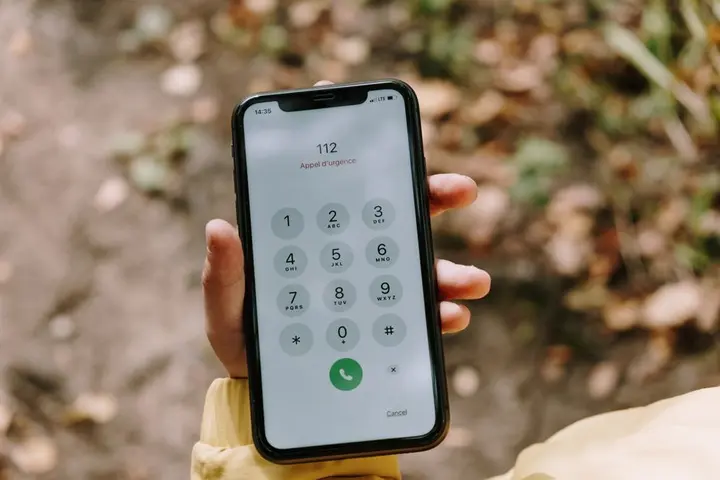
If you’re unsure about injuries after a minor crash, don’t delay medical evaluation. Early assessment protects you and prevents hidden issues from worsening, and it helps you establish a solid record for any claims. Your outfit should be simple and weather-ready to endure the wait and the ride home.
- Call for medical help if needed.
- Coordinate vehicle recovery promptly.
- Keep documentation organized.
- Seek professional advice when unsure.
For vehicle recovery, contact a trusted service to transport your car and recover personal items safely. Coordinate with insurance using the documentation you prepared while staying organized in your wardrobe with easy-to-remove pieces. A focused outfit helps you stay efficient during a potentially long process.
When seeking legal guidance, a calm, clear explanation of events saves time and reduces confusion. Prepare a short summary of the incident and your timeline, so your clothing doesn’t interfere with paperwork or interviews.
Frequently asked questions
What should I do immediately after a driving incident regarding clothing?
Prioritize safety, move to a safe spot if possible, and choose clothing that won’t hinder mobility or inspection. Keep layers simple, and avoid accessories that could snag on doors or tools. This little preparation helps you stay calm and presentable as you assess next steps.
How can fashion support the recovery process?
Opt for layers that can be removed or adjusted quickly, and footwear with good traction. Neutral tones mix with brighter accents so you don’t need a full wardrobe change after an incident. Practical bags keep essentials dry and accessible.
Should I involve friends or professionals in the aftermath?
Yes. A trusted friend or professional can help with paperwork, transport, and decisions. Having company reduces stress and keeps you focused on safety and documentation, while your outfit remains practical and intact.
What documentation helps most for claims?
Take clear notes, photos of the scene and damage, and collect contact details of witnesses. A concise timeline helps insurance and repairs proceed smoothly, while your clothing choice stays comfortable and functional during the process.
Conclusion
The guide is designed to keep you safe and stylish when a driving incident disrupts your day. By choosing wearable, practical items and following the steps, you can manage the moment with clarity and grace. Move forward with confidence and a plan for your next outfit.
To stay prepared, review your wardrobe for weather-appropriate layers and secure accessories. A small, organized kit tucked into your bag can make a meaningful difference in comfort and efficiency after an incident. Use that kit as a reliable ally in future situations.


