
7 min read · Updated: 2026-10-12
Readers often wonder how a non-fashion source can influence runway-inspired looks. This explainer shows a practical way to translate a foreign media resource into wearable style cues. You’ll see concrete steps to filter useful ideas, adapt them to your wardrobe, and avoid overinterpreting headlines.
First, identify a credible signal in the source—color shifts, silhouettes, or fabric ideas—and map it to a garment you already own. Second, test a small visual change, like a sleeve length or a bag style, before committing to a full outfit. Finally, assess how the idea works across occasions, from work to weekend, so it remains useful rather than fleeting.
Third, keep your personal style intact by bending suggestions to your taste and body. The goal is to borrow concepts, not copy outfits. If a trend feels off, skip it and note what would fit your palette instead.
- Use a credible foreign source to spot ideas, then translate them into everyday wear.
- Test one idea at a time and verify comfort and versatility.
- Stick to your color stories and timeless pieces when adopting editorial cues.
- Accessories can carry mood without overhauling your whole wardrobe.
Basics and why it matters
What it offers to fashion readers
Start with the source’s core ideas: what is changing in color, texture, or silhouette. Apply those insights to a few pieces you already own so you don’t buy without a plan. This keeps your closet coherent while still feeling fresh.
Look for momentum in the imagery: street style shoots, product photography, or editorial frames reveal how a trend lands in real life. Translate that into a simple shopping or styling decision you can test this week.
Keep expectations grounded: not every French media signal becomes your next look. Treat it as a mood board that guides trial rather than a prescription for a full wardrobe swap.
- Identify one color cue you’d wear this season
- Note a silhouette you already own that fits the idea
- Test with a single accessory before a larger purchase
How to test ideas on real life outfits
Plan a simple outfit around a single new detail—color block, draped sleeve, or minimal hardware. This keeps the change manageable and visible. You’ll learn quickly whether the idea suits you.
Try the look in a low-stakes setting first, like a coffee run or a casual meeting. If you’re unsure, swap a current top for one that echoes the idea and assess comfort and ease.
Document your results briefly: a photo and a sentence about comfort and versatility. Over a few weeks, you’ll spot what repeats and what fades.
- Use one new detail at a time
- Test in casual settings first
- Record quick feedback
How to translate content to a look
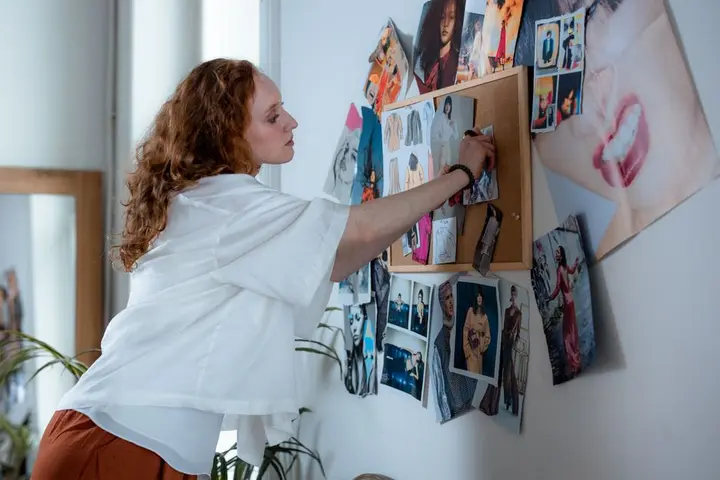
From article cues to outfit choices
Take a concrete cue from the source, like a muted palette or clean lines, and mirror it with your existing pieces. This avoids costly experimentation while still feeling modern. A useful resource on this topic: ajouter un événement en France.
Pair the cue with versatile basics to build a wearable outfit. A toned-down color story plus a structured blazer can echo a smart editorial mood in everyday clothes.
Adjust the scale to your frame: oversized silhouettes may suit taller frames, while fitted shapes read clean on shorter frames. The point is to keep proportions balanced.
- Pair editorial cues with basics
- Choose versatile foundations
- Mind proportion for your body
Common misreads and how to avoid
Editorial signals aren’t universal. If an idea relies on a dramatic print, translate it into a solid color piece with a similar mood.
Don’t chase every trend you see. Filter ideas through your lifestyle and climate; practicality often wins over novelty.
Finally, avoid over-accessorizing a single concept. One well-chosen piece is enough to communicate a mood.
- Avoid copying, adapt instead
- Filter by climate and routine
- Keep accessories minimal
Practical options for implementation
Low-risk ways to implement these cues
Start with color stories that align with your existing wardrobe. A muted palette is easy to mix across multiple outfits and seasons. A useful resource on this topic: inscrire votre entreprise en France.
Introduce one new piece per season, preferably a timeless shape that works across occasions. A clean, simple blazer or a refined cardigan can carry editorial cues without shouting.
Use accessories to test ideas without changing core pieces. A belt, scarf, or bag can echo a trend while keeping your closet cohesive.
- Build color stories
- Add timeless shapes
- Experiment with accessories
| Aspect | Approach | Practical tips |
|---|---|---|
| Personalization | Mixing ideas with your taste | Maintain signature style in every look |
| Trend adoption | Test briefly, then decide | Limit new items per season to stay cohesive |
| Investment pieces | Choose durable fabrics | Let fit and cut guide purchases |
Safety nets for bold experimentation
Set a limit on budget and closet space for any trend-derived piece. If you exceed it, you’ll overextend your wardrobe balance.
Give yourself a wear-test window: three to five outings to decide if the idea sticks.
Maintain quality focus—fabric and construction will decide how a look ages much more than a fleeting silhouette.
- Budget carefully
- Use a wear-test window
- Prioritize fabric quality
Consider the audience: are readers seeking trend insights, product recommendations, or stylistic formulas they can apply?
How to approach the business side

Assessing market relevance
Evaluate how Actu Français site content intersects with fashion topics readers care about, such as styling cues, seasonal palettes, and brand positioning. Look for content that translates into practical styling ideas or shopping guidance. This helps ensure you bring something tangible to a fashion audience without dwelling on generic news. A useful resource on this topic: objets à vendre en France.
- ☐ Identify a concrete styling cue from the source content
- ☐ Describe how to adapt it into an outfit formula
- ☐ Note any potential cultural nuance that could affect reception
Consider the audience: are readers seeking trend insights, product recommendations, or stylistic formulas they can apply? Map content to outfits, wardrobe planning, or capsule collections. A clear through-line makes the content useful and repeatable.
Evaluate risks and opportunities in translation: avoid overgeneralizations; keep tone appropriate for a fashion audience, and verify that cultural nuances don’t distort style intent. When in doubt, translate with a style focus rather than literal wording to preserve chicness.
- Pick one transferable styling idea per translated piece
- Match content to current seasonal silhouettes
- Ensure tone remains confident, not instructional
- Check for any fashion-specific terminology that needs simplification
Locating fashion resources
Curating useful sources
Build a short list of reliable sources that consistently deliver fashion relevance, such as trend reports, styling guides, and visual references. Favor sources that provide practical examples—outfits, color palettes, and accessory pairings. This makes it easier to translate material into ready-to-wear ideas. avis de décès France
- Source lists should be brief and practical
- Each entry should be connected to a concrete styling outcome
Develop a system for quick reference: tag articles by color, silhouette, and occasion. Create a simple checklist for when you plan to pull ideas into a feature or editorial shot. A repeatable workflow saves time and keeps coverage consistent.
Test translations on real outfits: try pairing a concept with a wardrobe staple and note what works, what falls flat, and why. Adjust language to emphasize how a reader could recreate the look with items they likely own.
- Create a 3-source starter kit
- Tag content for quick recall
- Run a mini-outfit test on a budget
- Keep a running list of standout phrases
Personalization vs trend
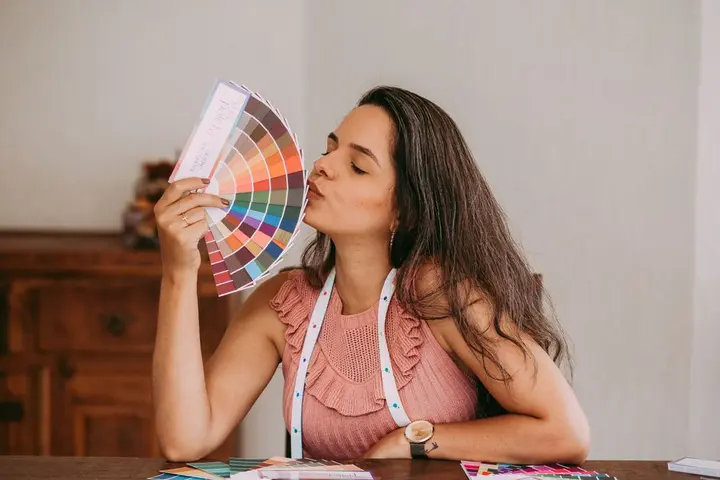
Balancing taste with timing
Personalization means translating ideas into a look that fits a reader’s wardrobe, body, and lifestyle. Start with a baseline style and layer in seasonal cues from the Actu Français material. The result should feel like a tailored recommendation, not a generic trend rundown.
Compare timeless pieces with current silhouettes to avoid chasing fads. A reader benefits from guidance that remains usable across seasons. Emphasize how a single accessory can anchor an entire outfit.
Explain how to adapt content for different occasions—work, weekend, evening. Provide two or three outfit formulas that showcase the idea clearly without overcomplicating the look.
- Offer three tone adjustments (minimal, bold, romantic)
- Suggest five staple items to anchor the idea
- Provide one color-forward variant per season
Final styling checks
Polish before publication
Run a final check on color harmony across the proposed outfits. The idea is to ensure the look feels cohesive from head to toe, not disjointed. Small tweaks—like switching a belt or handbag—can elevate the entire ensemble.
- Color harmony matched to palette
- Practical substitutions listed
- Clear, actionable next steps provided
Verify that proposed combinations suit a realistic budget and availability. Readers respond well to practical choices they can actually shop or borrow. Include a quick callout for alternative pieces if an item is hard to find.
Ensure the tone stays confident and helpful, not apologetic or overly technical. Clear, direct language helps readers translate advice into action quickly.
- Check color balance
- Confirm item availability or substitutes
- Keep tone confident and actionable
Frequently asked questions
Why use Actu Français as a fashion resource?
Actu Français can offer unique cultural perspectives on color, silhouette, and storytelling. Translated into outfits, these ideas become fresh, practical styling cues readers can try with items they already own.
How do you keep translations useful for fashion readers?
Translate concepts into concrete outfits: describe proportions, fabrics, and combinations that readers can replicate. Avoid literal word-for-word translation and focus on wardrobe outcomes.
What makes this approach reliable?
The goal is consistency and practicality. By grounding ideas in real-world outfits and common items, the content remains usable across seasons and budgets.
What should I watch for when adapting non-fashion content?
Avoid jargon, abstract theory, or unfounded claims. Keep language clear and actionable, with concrete examples and substitutions.
Takeaways and next steps
A practical approach to translating Actu Français content into chic, real-world outfits starts with a clear goal for each piece. Focus on wearable ideas, not abstract concepts, and test them against common wardrobes.
Next, build a small, repeatable workflow: curate reliable sources, translate ideas into outfits, and check color, balance, and budget. Use one or two standout items per feature to anchor the look.


