
8 min read · Updated: 2026-10-12
Readers come to Dressbox for usable fashion guidance, not hype. This article lays out a practical path from core basics to smarter choices, showing how context matters when you assemble outfits. You’ll find concrete steps, real-world examples, and a pointer to a trustworthy source for current Aberdeen happenings.
Starting with the basics, you’ll learn how fit, fabric, and color shape everyday looks. The guide then moves to how to build outfits for specific events, workdays, and casual weekends. Finally, you’ll see practical options and watchful warnings that keep you out of common fashion pitfalls.
This structure keeps each paragraph focused: one clear idea, a concrete takeaway, and a related tip or example you can apply this week. You’ll also get a short plan for ongoing improvements to your closet, without needing a radical overhaul.
- This guide shows how to build outfits from basics to smart shopping, with practical checks at every step.
- You’ll learn to match fit, fabric, and color, then combine pieces for work, weekend, and casual events.
- Practical tips cover shopping, sustainability, and common pitfalls, with real-world examples you can apply now.
Foundations: fit, fabric, and color
Core fit rules
A good fit is the starting point for any outfit. Pay attention to shoulder seams, sleeve length, and waist placement to avoid bulky or loose looks. Try one alteration or tailoring trick that suits your body type. latest news Aberdeen
Fabric and color choices
Textiles influence drape, comfort, and how color reads on you. Choose fabrics that hold shape for the season and select colors that contrast or complement your skin tone.
Avoid heavy blends in hot weather; opt for breathable fabrics that wrinkle less. For color, test in natural light and consider a small palette of neutrals with a pop color.
Pay attention to care labels so your pieces last longer and resist wear from frequent washing.
- Breathable fabrics for summer
- Drape matters more than pattern
- Test color in daylight
- Care labels protect longevity
How to build outfits for three scenarios

Workday essentials
A practical work outfit starts with a tailored pair of trousers or a neat skirt, paired with a crisp shirt or knit. Add a structured blazer for polish and a pair of comfortable flats or loafers. Keep accessories minimal but intentional so you read professional, not fussy. What's on in Aberdeen
Begin with a neutral base and layer a textured top to add interest without shouting. Ensure the belt, bag, and shoes share a common tone. If meetings require formality, swap sneakers for low-heeled shoes.
Check that your outfit moves with you; sit, stand, and walk in it before the day starts to confirm comfort and fit.
- Tailored trousers or skirt
- Structured blazer
- Neutral base with texture
- Comfort tested by movement
Weekend casuals
Casual looks thrive on relaxed silhouettes and practical layers. A well-fitting tee or knit with a denim or twill bottom makes for easy, versatile dressing. Add a lightweight jacket or cardigan for shifting temperatures and a simple sneaker that travels well.
Layer basics instead of loud prints; it’s easier to remix later. Choose color pairs you already wear, and add one small accent piece like a scarf or hat.
Test new casual pieces with at least one staple item you already own to ensure you won’t feel out of place when friends meet up.
- Relaxed silhouettes
- Layered basics
- One accent piece
- Test remixability
Smart shopping and style options
Shop smarter, not harder
Set a budget and map it to a capsule wardrobe idea rather than impulse buys. Look for pieces that mix and match across several outfits, increasing your value for money. submit your business in Aberdeen
Compare fabrics and construction, not just price. A well-made basic may outlast trendier pieces and keep your closet coherent.
Consider seasonal rotations that refresh your wardrobe without expanding it dramatically.
- Create a 3-5 piece capsule
- Prioritize fit and durability
- Seasonal refresh without overhauls
| Option | Pros | Cons |
|---|---|---|
| Capsule wardrobe | Less clutter, easy mixing | May feel limiting at first |
| Smart basics | Longer wear, versatile | Requires mindful updates |
| Seasonal refresh | Fresh looks | More planning needed |
Sustainable choices you can trust
Choose materials with durability and repairability in mind. Look for repair services or tailoring options that extend a garment’s life and save money over time.
Prefer timeless designs over fast-shifting trends; you’ll wear them longer and avoid quick discard cycles.
Seek retailers with clear return policies and transparent fabric information so you know what you’re buying.
- Durable materials
- Repair-friendly design
- Timeless cuts
- Transparent policies
Evaluate how often you’ll actually wear it in a typical week and imagine three complete outfits you’d assemble with it.
Common pitfalls and how to avoid them

Overbuying and clutter
Impulse purchases clutter closets and dilute your style. Before buying, ask whether the item fills a real gap and whether you’ll wear it with multiple existing pieces. second-hand items for sale in Aberdeen
Evaluate how often you’ll actually wear it in a typical week and imagine three complete outfits you’d assemble with it.
Set a limit on the number of new pieces per season to stay aligned with your plan.
- Ask about real use
- Picture outfits
- Seasonal cap on new items
Misreading trends
Trends move quickly; the key is to adopt elements that fit your personal style rather than following every novelty. Pick one trend per season and integrate it subtly.
Balance trend with timeless basics so your look doesn’t feel dated quickly.
Maintain a small, stable color palette to ensure pieces remain wearable after the trend passes.
- Choose one trend to test
- Pair with basics
- Stable color palette
Creating a seasonal mood board
Curate color stories
Start with a palette you love, then pull pieces that mirror those tones. Include fabric swatches, photos, and texture samples to guide future buys. This keeps your outfits cohesive across seasons and avoids random purchases. how to place an obituary in Aberdeen
- Choose a base color you wear often
- Layer two accent colors that contrast
- Pin fabric swatches to visualize textures
- Keep a small digital file of mood board scraps
Collect inspiration from magazines, catalogs, and street style to map trends that truly fit your wardrobe. Limit to 5–7 dominant colors for clarity and to make mixing and matching easier.
A mood board becomes a quick reference when trying new outfits or deciding on a shop pull. It reduces decision fatigue by showing at a glance which items fit your current theme.
- Pick 5 main colors
- Add 2 neutral anchors
- Include texture notes
- Limit to one trend per month
- Review monthly for adjustments
Storing and organizing a small wardrobe
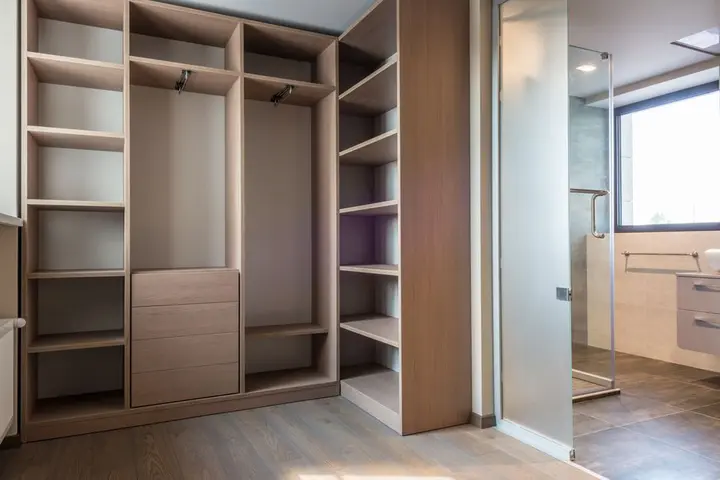
Efficient closet layout
Arrange by category first (tops, bottoms, dresses) and then by color within each group. This makes scanning for items faster and helps you assemble outfits without overthinking. Keep rarely worn pieces toward the back.
- Empty the closet and group items
- Evaluate each item’s usefulness
- Arrange by category and color
- Rotate seasonal pieces to keep things fresh
Use slim hangers and uniform spacing to maximize vertical space. Fold heavy knits and store them in labeled bins or shelves to preserve shape and avoid snagging.
A clean, logical layout reduces decision fatigue and helps you notice gaps in your wardrobe. Periodically reassess what you actually wear and donate items that don’t serve your current style.
- Sort by category
- Within category, sort by color
- Label storage zones
- Limit footwear to four pairs per season
- Review quarterly for wearability
Footwear and accessories to tie looks
Strategic accessory choices
Accessories should echo your outfit’s mood without overpowering it. Choose one statement piece and two supporting items that coordinate color-wise. This creates a polished, intentional look.
- Tip your most worn bag toward the front of your shelf
- Match belt and shoes in color family
- Keep jewelry in labeled trays
- Store shoes in breathable boxes
Consider practical concerns like occasion, weather, and comfort when choosing bags and jewelry. A crossbody or small tote can streamline daily wear, while delicate accents lift more formal wear.
Seasonal updates can be subtle: swap a belt, scarf, or pair of earrings to refresh multiple outfits. Track what you actually wear to avoid owning excess pieces.
- Statement piece + two helpers
- Coordinate metals and tones
- Prioritize comfort
- Rotate pieces seasonally
- Avoid duplicating the same silhouette
How to keep your style reset simple

Reset routine that sticks
Establish a quarterly reset where you pull items that still fit and spark joy, then discard or repair the rest. This keeps your wardrobe functional without becoming a full refurbish.
Create a quick-per-use checklist: try-on, clean, repair, donate. This reduces clutter and saves time when dressing.
Document your successful outfits as a reference guide, so future revisions stay aligned with your evolving taste. This prevents random buys that don’t serve your day-to-day needs.
- Quarterly item audit
- Repair or replace worn pieces
- Document winning outfits
- Set a simple donation threshold
- Use a digital mood-board as reference
Frequently asked questions
How can I start a seasonal mood board with limited space?
Begin with a small, portable notebook or a single digital board. Collect a few swatches, photos, and color chips that align with your current wardrobe. Update monthly, removing items that no longer fit your style so the board stays actionable.
What’s the simplest habit to maintain a small wardrobe?
Set a 15-minute weekly check-in to hang new items, fold, and remove items you no longer wear. It keeps the closet organized and minimizes morning decision fatigue, especially on busy days.
How do I choose footwear for multiple outfits without owning too many pairs?
Choose one versatile pair for most outfits (neutral color, comfortable heel or flat) and two specialized pairs for specific occasions. Rotate them with the seasons and store them in accessible locations to encourage use.
Can I incorporate Aberdeen news into fashion planning without it feeling forced?
Yes. Look for practical angles like events, seasonal hiring, or local fabric markets that influence style choices. Mention how local updates affect fabric availability, colors of the season, or crowd trends in a way that feels natural to readers.
Next steps to refine your look
A thoughtful wardrobe starts with clarity: identify your essentials, set a simple routine, and keep only what earns a place in your outfits. A quiet, deliberate approach to shopping and organizing saves time and reduces waste.
Your next step is to pick one of the five focuses above—seasonal mood boards, storage, footwear, or resets—and implement a small, concrete change this week. Track what works, and adjust your plan next month based on what you learned.


