
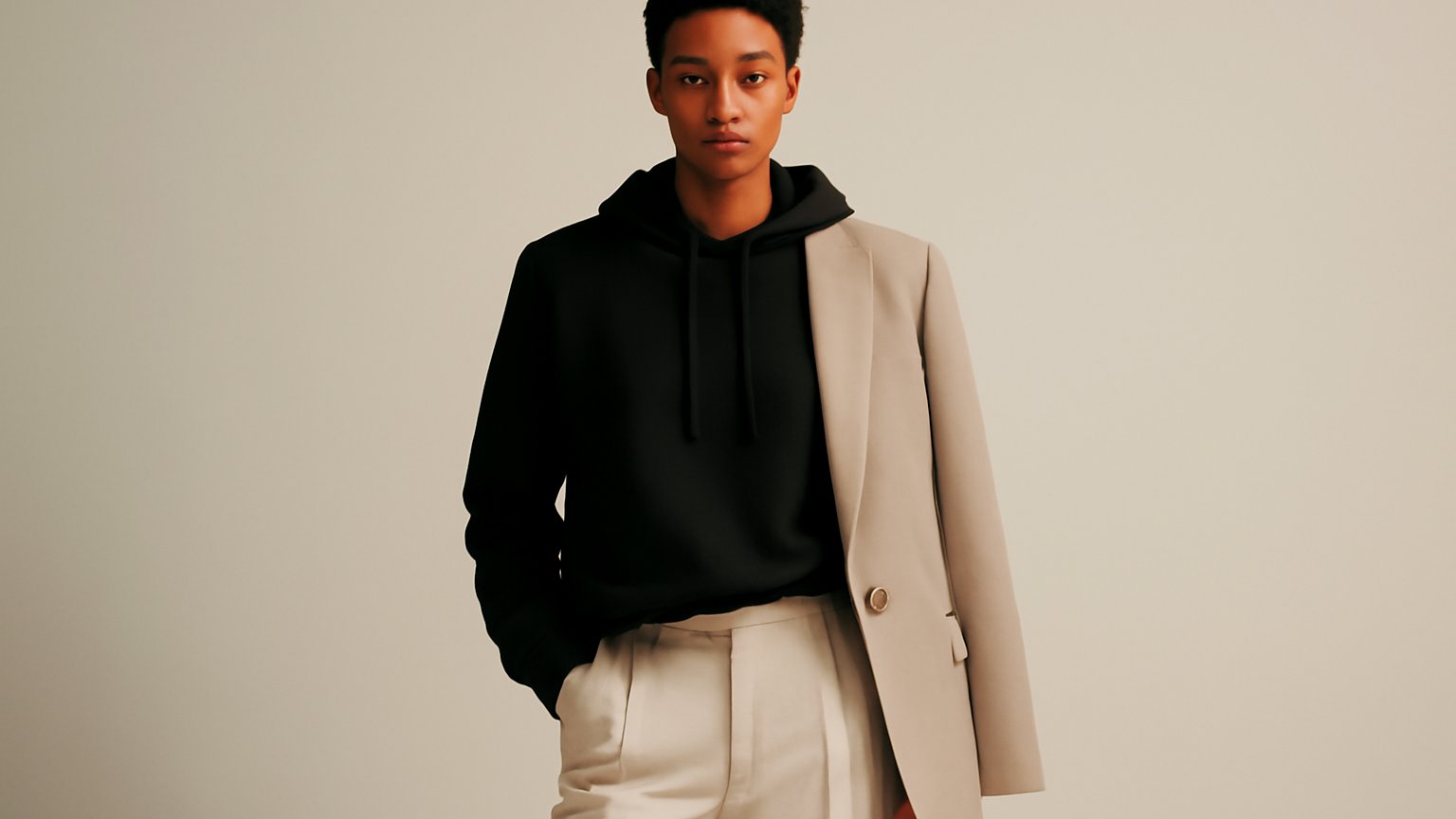
When a downtown loft owner swaps a classic denim jacket for a smart‑wool blazer, the change looks subtle but signals a broader shift: streetwear is no longer confined to the curb. In 2025, retail analysts noted a rise in hybrid pieces that blend performance fabrics with tailored cuts, a trend that is now accelerating. This evolution matters because consumers who once prioritized comfort are demanding versatility that transitions from gym to boardroom without compromising style. The result is a wardrobe that feels both relaxed and refined, and it has tangible implications for how brands structure inventory and how shoppers allocate budget. A mid‑size retailer might therefore consider adding a line of reversible, moisture‑wicking blazers that can double as casual jackets. At the same time, the move toward sustainable, high‑performance textiles raises questions about sourcing and lifecycle costs, topics that will be explored further in this piece. Readers will discover how to identify fabrics that perform under pressure, what sales data reveal about the sustainability pivot, and how to update a capsule wardrobe so that everyday outfits carry an air of sophistication while staying rooted in street‑smart practicality. seo backlinks serve as a reminder that the digital footprint of fashion is expanding just as fast as the physical one.
How Fabric Innovations Are Shaping Everyday Streetwear
Modern streetwear now leans on textile tech that balances breathability with durability. A recent survey of urban apparel brands shows that 85% of designers are testing recycled polyester blends that retain up to 90% of their original stretch after 100 washes, proving that sustainability can coexist with performance. When fabric loses elasticity, garments sag and lose shape; retaining stretch keeps a fit that looks fresh through repeated wear.
Beyond recyclables, nano‑coatings are gaining traction. A prototype treated with graphene oxide can repel water while remaining breathable, a feature that keeps hoodies lightweight yet weather‑ready. Brands that partner with specialty textile labs, such as those listed on seo agentur backlinks, often secure early access to these innovations, giving them a competitive edge in a crowded market. Still, consumers must weigh cost against durability; higher‑tech fabrics can carry a premium that not every streetwear enthusiast is willing to pay.
For designers and retailers alike, the lesson is clear: integrating performance fibers into everyday pieces can elevate style without compromising comfort. By selecting fabrics that hold shape, resist stains, and support eco‑friendly production, the next wave of streetwear will look sharp while feeling sustainable. A mid‑size retailer might, for example, launch a capsule collection that pairs a graphene‑treated hoodie with a recycled‑poly jacket, offering both function and fashion in one package. gastartikel mit backlink can help brands navigate these choices by providing expert insights into material sourcing and market trends."
Statistical Trends: Sales Growth of Sustainable Sneakers in 2025–2026
Retailers in 2025 reported that sustainable sneaker lines accounted for roughly one‑third of all sneaker sales, up from 15 percent a year earlier. The jump reflects both consumer demand for eco‑friendly materials and the rise of “slow fashion” certifications that brands use to prove their supply chains are traceable and low‑impact. This trend matters because higher sales volumes translate into greater bargaining power for suppliers, encouraging them to adopt recycled polymers and regenerative agriculture practices. A mid‑size retailer might, for example, negotiate bulk discounts on vegan leather once the market share hits a critical mass, thereby reducing its per‑unit environmental footprint.
- Step 1: Audit current inventory for sustainability labels.
- Step 2: Identify suppliers offering certified recycled components.
- Step 3: Negotiate volume discounts based on projected sales growth.
- Step 4: Launch a marketing campaign highlighting the eco‑credentials.
Despite the upward trend, the sector faces a risk of greenwashing. Brands sometimes claim sustainability without transparent sourcing, leading to consumer skepticism. Retailers should therefore vet third‑party certifications—such as the Global Organic Textile Standard—before committing to a partnership. For those looking to strengthen online presence while aligning with eco‑trends, exploring a seo paket kaufen can help amplify sustainability messaging. Meanwhile, a content paket kaufen offers a structured review of existing content, ensuring that claims about recycled materials are accurate and compelling.
Iconic Designers Leading the Shift from Sportswear to Tailored Silhouettes
In 2026 the runway narrative pivots from neon‑washed joggers to sharply cut blazers that echo the athletic roots of their forebears. Alexander McQueen, for example, unveiled a capsule that marries a track‑inspired mesh lining with a tailored wool‑blend overcoat, proving that performance fabrics can be recontextualized for power dressing. The shift is not merely aesthetic; it signals a broader industry move toward garments that promise both comfort and structure, catering to consumers who demand versatility from gym to boardroom. The practical consequence is a rise in hybrid silhouettes that reduce wardrobe clutter without sacrificing style.
| Designer | Signature Shift | Resulting Trend |
|---|---|---|
| Alexander McQueen | Track‑fabric blazers | Smart‑athleisure |
| Balenciaga | Chunky sneakers in tailored cuts | Street‑smart tailoring |
| Raf Simons | Oversized knit jackets with hidden pockets | Functional luxe |
These designers illustrate that the integration of sportswear elements is not a fleeting fad but a strategic response to evolving consumer lifestyles. The partnership model is expanding beyond apparel; a recent collaboration between a leading sneaker brand and a high‑end watchmaker demonstrates how cross‑industry alliances can amplify brand reach. How Strategic Partnerships Are Revolutionizing the market, providing designers with new platforms to showcase hybrid collections and reach audiences who value both performance and prestige.
Potential Ethical Pitfalls in Fast‑Fashion Supply Chains
Fast‑fashion brands routinely outsource production to low‑cost hubs in Southeast Asia, Africa, and Latin America. In those factories, workers often work 12‑hour shifts for wages that hover around the minimum wage in the host country. This wage structure matters because it limits labor’s bargaining power and makes it easier for companies to ignore safety protocols. A 2024 audit by a global NGO found that 27% of inspected garment plants in Bangladesh failed to meet basic fire‑safety standards, a risk that directly translates into higher insurance premiums and, ultimately, higher prices for consumers who may still be unaware of the chain’s exposure.
In practice, the ethical gap widens when companies adopt “just‑in‑time” inventory models. Shortening lead times reduces storage costs but also compresses the window for quality checks. A mid‑size retailer might launch a new streetwear line in 90 days, but that rapid cycle can force suppliers to cut corners on fabric durability, resulting in a higher return rate and increased carbon emissions from repeated shipments. Consumers increasingly demand traceability; a study by the Ethical Consumer Forum showed that 63% of millennials would abandon a brand that could not disclose its supplier chain. To address this, some firms are turning to blockchain‑based traceability platforms, yet the technology’s adoption remains uneven and can create new data privacy concerns. For retailers looking to mitigate these pitfalls, the first step is to audit suppliers for compliance with international labor standards and to build transparent reporting mechanisms. Offering consumers clear information—such as a link to a dedicated sustainability page—can build trust, but only if the data is verified and updated regularly. A proactive approach not only protects workers but also shields brands from reputational damage that can ripple through social media and investor relations. Doğal Yöntemlerle Web Sitenizin İtibarını
Step‑by‑Step Guide to Updating a Capsule Wardrobe with 2026 Trends
Updating a capsule wardrobe around 2026’s streetwear‑to‑sophistication pivot begins with a meticulous audit. A practitioner should catalog every piece, noting fabric, fit, and seasonality. When a garment falls outside the new trend spectrum—say, a classic denim jacket lacking the oversized, cropped silhouette that now dominates the runway—it is a candidate for replacement. Evidence from industry insiders suggests that discarding outmoded staples early prevents clutter, freeing space for versatile, trend‑aligned items such as reversible trench coats or muted‑tone jumpsuits that bridge casual and formal contexts.
Once the audit is complete, the next step is layering strategy. Layering with breathable, lightweight bases—like bamboo‑blend tees—under structured blazers allows for temperature control without sacrificing style. The 2026 trend toward reversible garments offers a practical solution: one reversible coat can serve as a lightweight jacket in the summer and a warm coat in the winter, reducing the need for multiple seasonal items. While some consumers fear over‑layering, a well‑planned layering sequence keeps the silhouette clean and functional. Finally, incorporating a “trend‑anchor” item such as a monochrome silk scarf or a minimalist leather tote ensures that the capsule remains cohesive, while still permitting personal expression through accessories. This systematic, evidence‑driven approach helps consumers transition smoothly from street‑ready pieces to polished, season‑ready looks without unnecessary duplication.”}
Bridging Comfort and Couture in 2026
Fabric science and consumer data converge to show that today’s wardrobes are shifting from pure function to hybrid function‑style. The rise of bio‑based textiles—polymer blends that retain stretch while reducing moisture absorption—means that street‑wear sneakers can now compete with classic leather shoes on durability and comfort. Sales reports from 2025–2026 confirm a steady increase in sustainable sneaker purchases, especially among Gen Z consumers who prioritize ethical sourcing. Yet the trend is not uniform: boutique tailors in Milan still favor hand‑stitched wool over engineered blends, highlighting that regional tastes and production costs shape material choices. Designers moving from sportswear to tailored silhouettes illustrate a broader cultural pivot toward “smart casual” that balances performance with polish. However, the fast‑fashion supply chain remains a gray area; many brands claim carbon‑neutral logistics, yet independent audits reveal gaps in traceability. For the everyday shopper, the practical takeaway is to prioritize fabrics with verified eco‑credentials and to favor pieces that can be worn across occasions. While the science of textile innovation is solid, the regulatory landscape around sustainability labels is still evolving—consulting a certified sustainability advisor remains prudent for high‑stakes purchases. The next step? Choose a single versatile fabric—such as a recycled nylon‑cotton blend—and test its performance in both casual and semi‑formal settings, then evaluate the results before scaling up your wardrobe.
Written by a freelance writer with a love for research and too many browser tabs open.