
9 min read · Updated: 2026-10-14
Whether you’re chasing a one-off vintage gem or a reliable everyday staple, second-hand items for sale in Dudley can stretch your style budget without sacrificing quality. This explainer shows what to look for, how to assess condition, and where to start so you don’t waste time. By focusing on fit, fabric and provenance, you’ll build outfits that feel intentional and current.
From the basics of evaluating a thrift haul to the realities of shopping in a busy market, you’ll learn practical steps you can apply today. We’ll cover finding trustworthy sellers, testing garments, and how to mix pre-loved pieces with new essentials. The goal is confident choices that lift your look with less waste.
Finally, you’ll see how to plan a thrift day: a simple checklist, a few safety tips, and a mindset that helps you notice hidden potential in every rack. With the right approach, second-hand shopping becomes a disciplined style tool rather than a shot in the dark.
- Second-hand items for sale in Dudley offer practical wardrobe refresh without big spend. Look for durable fabrics, fit-focused checks, and trustworthy sellers.
- Define a plan before you shop: target pieces, measure carefully, and start with a small, realistic budget.
- Balance thrift with new pieces to create versatile outfits that fit modern life, while staying kind to the environment.
Basics of thrifting
Understanding thrift landscape
Begin with a clear goal: what pieces does your wardrobe actually need? Look for fabrics that wear well, like wool, cotton, and sturdy denim, and ignore trend-only finishes that fade quickly. This awareness helps you spot durable finds rather than impulse buys. second-hand items for sale in Dudley is a phrase you’ll encounter when scouting local thrift options.
Identify store environments that suit your style. Some shops curate vintage silhouettes, others stock modern basics in good condition. A quick scan of what’s on offer can reveal whether you should return later with a targeted list.
Pay attention to return policies and price ranges. Knowing what counts as a fair price for quality materials saves you from overpaying.
- Know your measurements
- Check fabric seams
- Inspect colorfastness
- Test zippers and buttons
Assessing fabric and fit
Fabric quality determines longevity. Check for thinning elbows on shirts, pilling on knits, and pressed creases that indicate poor storage. In many cases, a well-made fabric can outlast a lower-quality look.
Fit matters more than size. Bring a tape measure and compare with your own measurements; a slightly tailored piece often beats a loose, uncomfortable one.
Try items on or assess fit visually: shoulder seams should sit squarely, hemlines should skim the body, and sleeves should allow easy movement.
- Check stitch density
- Inspect linings
- Evaluate seam allowances
- Test slip versus stretch
Where to shop near you
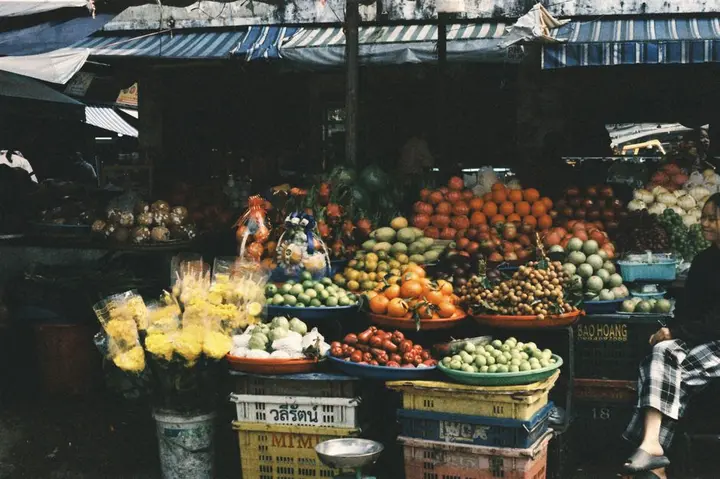
Neighborhood thrifts vs. markets
Local markets offer competitive pricing but require speed and a critical eye. You’ll see a broad range of styles, from 70s silhouettes to current basics. The key is to move quickly and separate potential gems from clutter. Dudley 24 website offers a hub for event updates and shop listings that can guide your thrift day.
Neighborhood shops can curate better quality and more consistent stock. A regular visit helps you learn the rhythm of what comes in and what sells fast, which improves your hit rate.
Ask staff about recent arrivals and return rules; these small details save time and prevent buyer’s remorse.
- Visit midweek when stock is freshest
- Ask about refunds
- Note payment methods
- Mark items with good potential
Online options and local events
Online marketplaces offer bigger selection but require clearer photos and accurate measurements. Compare multiple listings to avoid duplicating finds and to spot pricing trends.
Local events like pop-up sales or swap days can surprise you with rarely worn pieces. Arrive early for best choices and keep a flexible list.
Document measurements and fabric content when you shop online to avoid mismatches in fit or care.
- Request measurements
- Check seller ratings
- Ask for fabric care details
- Plan pickup or delivery timing
What to avoid and why
Common thrift blind spots
Racks often mislead with bold colors that distract from quality. A bright label or new-looking finish does not guarantee durability. Always check seams, linings, and fabric feel before deciding. what's on in Dudley can inform pop-up swaps and vintage markets worth a stop for wardrobe refreshes.
- Ask for a close-up on any stain or snag.
- Size up only if the garment can be altered without losing shape.
Avoid over-categorizing pieces as ‘vintage’ when they’re simply worn; true vintage often carries wear that needs careful restoration.
Be cautious of hidden damages like moth holes, water stains, or inconsistent stitching that are hard to repair without visible consequences.
- Look past flashy labels
- Inspect for moth damage
- Evaluate lint and odor
- Assess potential alterations
| Aspect | Pros | Cons |
|---|---|---|
| Quality | Longer lifespan when fabric is sturdy | Risk of hidden wear if not inspected thoroughly |
| Cost | Potentially lower price | Prices vary by seller and demand |
| Convenience | Wide range in person and online | Requires time for careful assessment |
Payment and care myths
Thrifting costs less only if you don’t chase trends. High-quality second-hand pieces can still require cleaning or minor repairs. Plan for care costs in advance to keep items wearable long-term.
Care instructions matter: flexible fabrics may require dry cleaning or careful washing, which influences how often you’ll wear an item.
Always test a garment’s colorfastness and washing requirements at home before full use to avoid surprises.
- Check care labels
- Estimate cleaning needs
- Test colorfastness
- Know alteration limits
Carry a measuring tape and a small notebook to record sizes and fabric notes.
Tips for smarter thrift days
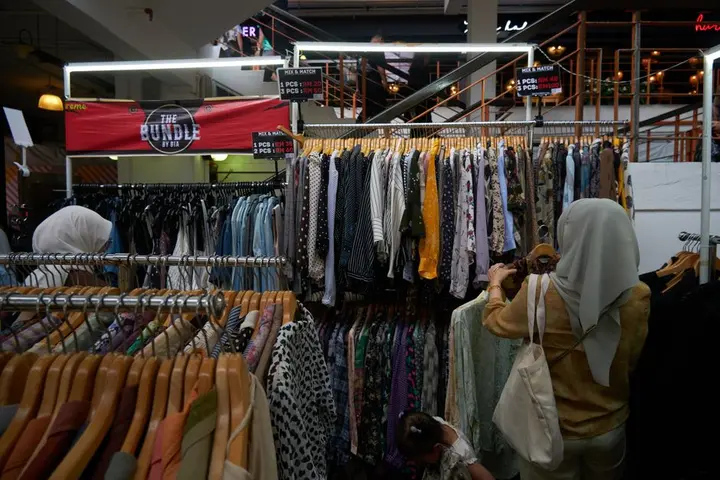
Smart planning and time management
Before you go, list a few key pieces and a rough budget. Time your visit to where stock fluctuations are most favorable, like just after a restock or midweek sessions. add your business to the Dudley business directory can help local fashion entrepreneurs connect with shoppers.
Carry a measuring tape and a small notebook to record sizes and fabric notes. This saves time when you find a potential match.
Leave with a few plan-ahead outfits rather than a random heap; it’s easier to style items together.
- Create a short wishlist
- Bring measurement tools
- Wear comfortable shoes
- Check return rules
Mixing thrift and new pieces
Pair second-hand finds with new essentials to create balanced outfits. A vintage jacket can elevate a simple tee; a pristine shirt can ground a bold skirt.
Alterations can tailor thrift buys into your signature pieces. A quick hem or sleeve change often transforms a garment’s impact.
Keep impact in mind: don’t overdo it with vintage items that overwhelm your frame or color story.
- Balance with neutrals
- Choose one statement piece
- Consider alterations
- Maintain color harmony
Branding your thrift finds
Build your style voice
Branding your thrift finds starts with a clear style voice. Decide what silhouettes, colors, and eras you consistently love, then seek pieces that fit that story. This helps you avoid random buys that clutter your closet and keeps outfits cohesive across days and occasions. Dudley obituaries
- Define your style lane first, then collect pieces that fit it.
- Choose items that can be dressed up or down.
- Aim for a cohesive capsule rather than a pile of random finds.
Look for signature details—a specific cut, a favored fabric, or a recognizable finish—that can anchor multiple outfits. When you spot a piece that echoes your chosen voice, buy it even if it isn’t perfect on its own. The goal is a wearable collection that feels intentional.
Consider how your current wardrobe can morph with new finds. If you already own versatile basics, a thrifted statement piece can energize several looks. Keep a small notebook of items that pair well with what you own to guide future shopping.
- Identify your color wheel and stick to a 2-3 dominant shades
- Note preferred fabrics like wool or denim for easy mixing
- Save photos of outfits to map future purchases
- Prioritize items with proven versatility
Thrift shopping etiquette
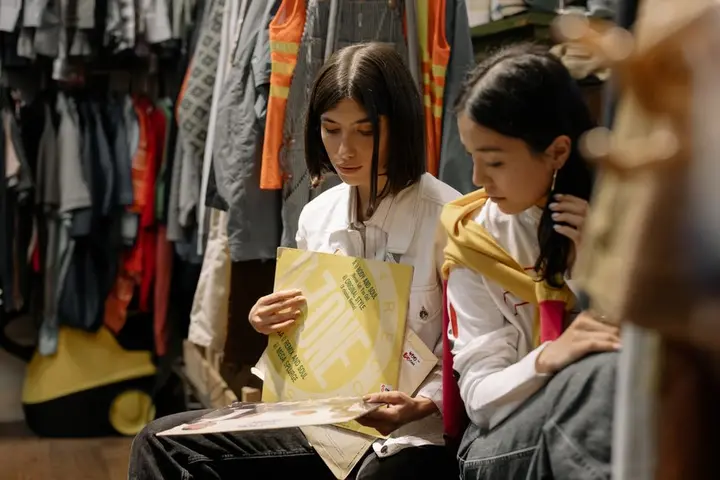
Respectful buying culture
Thrift stores thrive on community. Start by greeting staff and other shoppers, and handle items with care to avoid damage. Checking items for stains or wear quietly respects others who may want them. This small courtesy keeps the scene welcoming and productive.
When bargaining, read the room. Some stores are fixed-price, others allow small discounts for bulk purchases. If you’re unsure, ask the staff instead of pushing for a lower price. Clear communication prevents misunderstandings.
After purchase, bag items neatly and avoid lingering around the checkout. This helps keep lines moving and shows appreciation for the staff who maintain the selection. If an item doesn’t fit, return it promptly if the policy allows.
- Greet staff and fellow shoppers
- Handle items with care
- Ask about discounts respectfully
- Follow store policies for returns or exchanges
Sustainability in fashion
Why second-hand matters
Buying second-hand reduces demand for new garments, which lowers resource use and waste. Thrift shopping keeps textiles out of landfills and gives clothes a longer life. For fashion readers, this means a smaller personal footprint without sacrificing style.
Second-hand pieces often carry history—unique details and imperfections that add character. Embrace these quirks as part of a look, rather than seeing them as flaws. The right renovation or tailoring can make a thrifted find feel like it was made for you.
Sustainable fashion also means smarter buying. Prioritize quality fabrics and construction that endure, rather than fast-fashion trends. A well-chosen thrifted item can stay in rotation for years with proper care.
- Reduces new garment demand
- Extends clothing life
- Encourages thoughtful purchases
- Bodies of fabric with history
Turning finds into outfits

From rack to runway
Start by assessing each find for potential mix-and-match with existing wardrobe. Try at least three outfit ideas in your head or on a mirror board—this quickly reveals what truly fits. This practice saves time and reduces impulse buys.
Work around a focal piece: pair a thrifted jacket with a classic tee and jeans, or a bold skirt with a simple top. Accessories like belts, scarves, or shoes can bridge eras and elevate the overall look.
Seasonal transitions demand edits, too. Layer lightly in spring with a thrifted cardigan, or add a lightweight trench when temperatures drop. Small tweaks can keep outfits fresh across months.
- Test multiple looks per item
- Use focal pieces to anchor outfits
- Utilize accessories to bridge eras
- Plan for seasonal layering
Frequently asked questions
How can I tell if a thrifted item will last many wears?
Assess construction details such as stitching quality, fabric weight, and hardware. Compare with similar new pieces you own in terms of durability and repairability. Prioritize items with reinforced seams and intact closures to reduce unexpected repairs. A well-made thrifted item can endure years of use when cared for properly.
What if I don’t have time for thrift hopping?
Start with a targeted plan. Identify a couple of shops known for curated selections and schedule a single visit. Use a brief pre-shop list to guide what to look for, focusing on versatile pieces you’ll wear frequently.
Can thrifted outfits be appropriate for work?
Yes. Focus on clean lines, neutral colors, and tailored fits. A thrifted blazer, smart trousers, and a simple blouse can form a professional base. Avoid loud prints and ensure alterations are polished for a work-appropriate silhouette.
How do I care for delicate thrifted fabrics?
Follow care labels and use gentle washing methods. For delicate fabrics, air-dry and avoid high heat. If the care label is missing, test a small area and opt for professional cleaning when in doubt.
Closing thoughts for stylish thrifting
Thrift shopping is a craft that rewards patience and planning. Brand your finds, follow etiquette, and consider sustainability as part of the style equation. The wardrobe you build from second-hand pieces tells a story that’s both personal and responsible.
A deliberate routine—tracking fits, planning outfits, and rotating pieces seasonally—turns sporadic buys into a coherent, long-lasting wardrobe. Start small, and let each successful combo reinforce smarter choices for future hunts.


