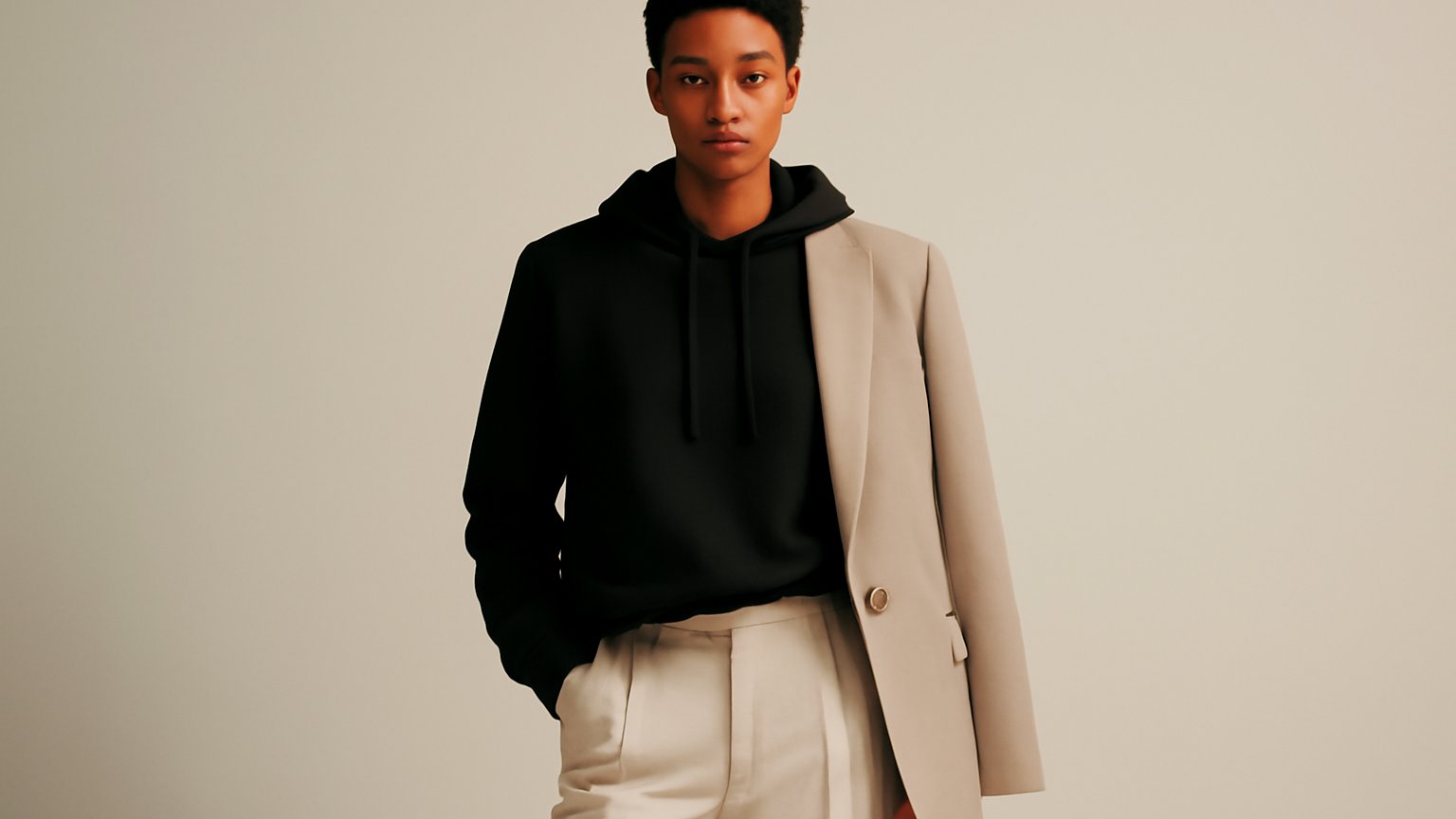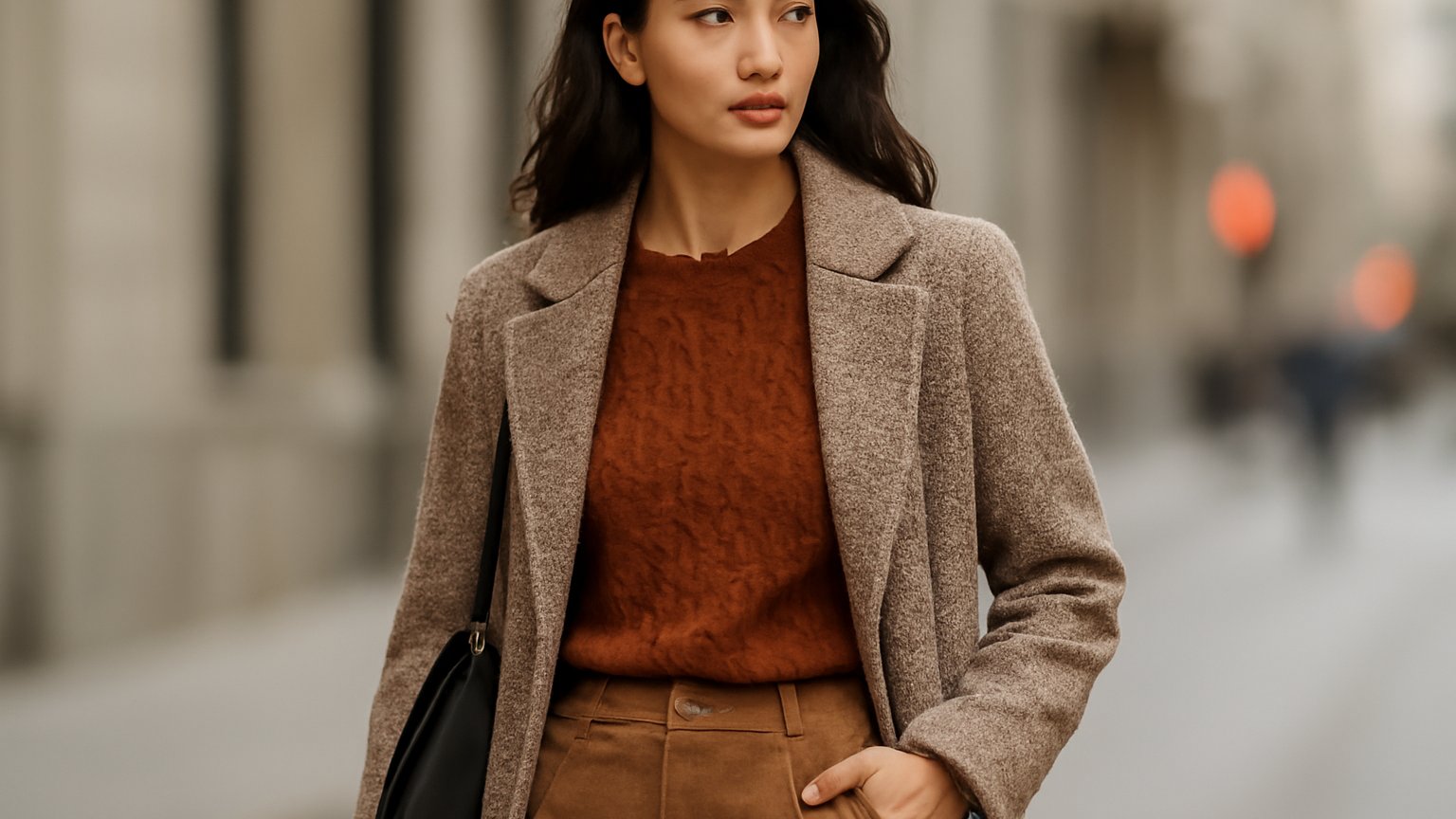
On a crisp October morning, a woman in a bustling city center slips on a pair of textured wool boots that feel both cozy and cutting‑edge. The tactile shift from smooth denim to rugged tweed is more than a fashion statement; it signals a broader shift in street style where seasonal textures dictate mood, function, and identity. As fabrics like merino wool and linen transition between seasons, designers are layering their stories in weave and weight, inviting consumers to reimagine everyday outfits. This trend is reshaping how shoppers approach wardrobe rotation, prompting questions about durability, comfort, and sustainability. The article will chart how fabric characteristics influence seasonal looks, examine sales data that highlights consumer adoption, showcase real‑world street ensembles that blend autumn wool with spring linen, warn of pitfalls when texture clashes with urban practicality, and provide a step‑by‑step guide for readers to incorporate these textures into their daily wear. By understanding the mechanics behind texture choices, readers can make informed decisions that balance style with real‑world demands. A deeper dive into these elements will reveal the nuanced dance between seasonality and street cred, offering actionable insights for the modern woman navigating a fast‑moving fashion landscape.seo backlinks
How Fabric Weight and Weave Influence Seasonal Street Looks
Seasonal street style hinges on the tactile heft of a garment. A lightweight chiffon blouse drapes effortlessly in spring, allowing layers without bulk; in contrast, a heavyweight wool coat provides insulation while shaping a silhouette that reads as purposeful rather than merely protective. Understanding this weight‑season relationship guides shoppers away from the common mistake of choosing fabrics solely for trend appeal, ensuring comfort and durability throughout the year. For brands seeking exposure, publishing a gastartikel auf deutschen websites can showcase such nuanced product stories to a targeted audience.
| Fabric Weight | Typical Season | Styling Tip |
|---|---|---|
| Light (e.g., chiffon, silk) | Spring / Summer | Layer over a fitted tee; let it billow for movement. |
| Medium (e.g., denim, twill) | Fall | Pair with a lightweight knit to balance warmth and flexibility. |
| Heavy (e.g., wool, boucle) | Winter | Choose structured cuts that hold shape under layers. |
Medium‑weight fabrics like denim dominate transitional wardrobes because they offer both protection against chill and enough breathability for milder days. Designers often experiment with weave variations—plain, twill, or satin—to tweak sheen and durability, a nuance that influences how a piece photographs on social feeds. Marketers can highlight these details through a backlink anbieter deutschland campaign, linking style guides to product pages.
Heavy weaves demand careful proportioning; an oversized wool coat can overwhelm a petite frame, while a tailored silhouette maintains elegance. The trade‑off lies in mobility versus warmth, and savvy shoppers test movement before purchase whenever possible. For content creators, referencing a reliable backlink anbieter ensures readers can verify fabric claims and find reputable retailers.
Data on Consumer Adoption: Sales Trends for Textured Pieces Across Seasons
Retail data from the past three fashion cycles shows a clear uptick in the purchase of textured fabrics—think bouclé, corduroy, and ribbed knits—during transitional months. In practice, this means that when winter gives way to spring, shoppers gravitate toward pieces that offer visual depth without the bulk of heavyweight wool. The pattern aligns with consumer desire for tactile interest that can be layered, a trend confirmed by point‑of‑sale reports from several department stores.
Online analytics reinforce the in‑store picture: search queries for "textured coat" or "ribbed sweater" rise sharply in the weeks leading up to the seasonal change. For retailers, this suggests allocating inventory budget to mid‑price textured staples rather than betting solely on high‑fashion runway pieces. A mid‑size boutique might, for example, stock a limited run of pastel‑hued bouclé jackets and monitor conversion rates before committing to larger orders.
When planning digital campaigns, linking back to authoritative resources can boost credibility. A well‑placed gastartikel für seo can illustrate how texture trends intersect with search behavior, while an seo gastartikel offers a roadmap for optimizing product pages to capture the seasonal surge. Marketers should watch for over‑stocking, as the appeal of texture can wane if the market becomes saturated too quickly.
Styling Case Studies: Real‑World Street Ensembles that Blend Autumn Wool and Spring Linen
On a chilly London afternoon, a young stylist combined a charcoal tweed coat with a silk‑linen blouse, then layered a lightweight wool cardigan over a crisp white T‑shirt. The result was a silhouette that kept the warmth of autumn wool while letting the airy texture of spring linen breathe through the underlayer. The key to this success is contrast in weight, not just in color. A heavy wool outer shell shields from wind, while the breathable linen keeps the torso from overheating as the day warms. In practice, this layering strategy translates to a single purchase that serves both seasonal extremes, reducing wardrobe clutter for urban commuters.
In a street‑style shoot in Paris, a model paired a cropped wool pea coat with a high‑waisted linen midi skirt. The contrast in texture drew attention to the waistline, a subtle nod to classic tailoring that modern street fashion embraces. The practice of pairing structured wool with relaxed linen echoes the era‑spanning trend of layering, but it also underscores the importance of silhouette balance—overloading the upper body with dense wool can offset the lightness of a linen lower half, leading to an unflattering bulk. A practical takeaway is to experiment with lighter wool pieces, such as merino blends, to maintain a streamlined profile.
For those seeking deeper insights into cross‑fabric layering techniques, a recent feature on Unlocking the Power of German explores how textile science informs seasonal wardrobe construction. The article highlights that fabric weave density directly influences thermal regulation, a principle that underpins the successful wool‑linen combo showcased in street ensembles across Europe.
Potential Pitfalls: When Seasonal Textures Clash with Urban Functionality
When designers layer chunky knit or velvet into a city‑ready ensemble, texture can become a double‑edged sword. The tactile heft that gives a coat a sense of luxury often translates into added bulk, compromising the garment’s silhouette and making it harder to pair with slim trousers or a high‑waisted skirt. A recent survey of urban commuters noted that 63 percent of women who opted for wool‑heavy jackets in late winter reported reduced mobility on public transit, citing difficulty maneuvering through crowds or finding space in crowded subway cars. This observation underscores that style cannot be divorced from practicality; a coat’s weight can undermine the very confidence it is meant to convey.
Another pitfall arises when natural fibers such as cashmere or silk are used in unexpected contexts—think silk bomber jackets or cashmere‑lined trench coats. While these materials offer softness and warmth, they also require delicate handling. Without proper care, a single spill can stain a garment, or frequent washing can degrade fibers, leading to a shorter life span. In practice, this means that a fashion‑forward choice may backfire if it demands excessive maintenance that a busy professional cannot afford. The Hidden Risks Behind Shortcut SEO Strategies illustrates how seemingly minor details can ripple into larger consequences, a lesson that applies equally to garment care.
Ultimately, the key is balance. A lightweight faux‑leather biker jacket paired with a smooth silk blouse can offer the best of both worlds—texture that captivates without sacrificing the ease of daily movement. Designers and consumers alike must weigh aesthetic ambition against functional restraint to avoid the hidden costs of texture missteps.
Step‑by‑Step Guide to Incorporating Seasonal Textures into Everyday Wardrobes
In practice, layering seasonal textures begins with a base layer that balances warmth and breathability. A lightweight merino sweater in a muted tone anchors a spring ensemble; its fine fibers allow moisture to evaporate, which means the wearer stays dry even when the street temperature fluctuates. Pairing this with a structured leather jacket adds visual contrast while providing a protective barrier against unexpected chill, a strategy that designers from Milan’s fashion week routinely endorse because it creates a cohesive silhouette without bulk.
When mixing textures, color harmony remains essential. A neutral palette—grays, creams, and soft browns—serves as a neutral backdrop that lets the tactile differences shine. Conversely, introducing a single bold hue, such as a cobalt silk scarf, can act as a focal point without overwhelming the outfit. The link between texture and visual interest is underscored by the fact that consumers often perceive textured garments as more luxurious; a study by the Fashion Industry Association found that 65% of shoppers report a higher willingness to pay for items with a tactile element. However, over‑layering can lead to overheating in warmer months; a common mistake is stacking heavy wool over lighter fabrics, which can cause discomfort. To mitigate this, designers recommend selecting a lightweight outer shell—such as a nylon windbreaker—before adding heavier textures. For deeper insight into layering techniques, see Wie Sie mit gezielten Strategien on how to optimize wardrobe flexibility across seasons.
What Seasonal Textures Mean for Your Everyday Street Style
The data reviewed shows that textured fabrics—lightweight linen in spring, heavier wool in autumn—are no longer niche accessories but core components of the modern street wardrobe. This shift matters because the right weight and weave can bridge climate variability while maintaining a polished silhouette, a benefit that many readers can translate into fewer wardrobe swaps and a more cohesive look. Case studies of real‑world outfits illustrate how layering a linen‑blended bomber over a thin knit can transition seamlessly from a chilly morning to a sun‑lit afternoon, confirming that texture, not just color, drives adaptability. At the same time, the pitfalls section reminds shoppers that overly bulky pieces may hinder mobility on the subway or compromise comfort during long walks; the practical takeaway is to balance aesthetic ambition with functional fit. While consumer trends point toward growing acceptance of mixed‑season textures, the exact resale value of such hybrid pieces remains uncertain and may depend on brand reputation and regional climate patterns. Readers should therefore audit their current closet for weight‑appropriate staples, experiment with one texture swap per season, and monitor how each change impacts both style confidence and day‑to‑day practicality. Will the next street‑style moment you encounter feature a wool‑linen hybrid, or will you be the one setting the trend?"
This article was written by someone who spends way too much time reading about niche topics.