When a crisp autumn breeze lifts the hem of a cashmere sweater, many women instinctively reach for a tactile accent—a ribbed collar, a brushed finish, a subtle pleat—to signal the season without saying a word. This instinctive turn toward texture is more than aesthetic; research in visual perception suggests that surface variation can signal quality and convey mood, influencing how an outfit is received in professional and social settings. Understanding the mechanics behind these seasonal texture techniques equips readers to make deliberate style choices rather than relying on fleeting trends.
In the sections that follow, the article dissects how fabric structure is altered by seasonal methods, reviews empirical findings on texture perception, and showcases wardrobe transformations that illustrate practical outcomes. Readers will also learn to balance visual interest with comfort, navigate durability concerns, and follow a step‑by‑step guide for integrating texture into everyday ensembles. For those looking to amplify their online presence while mastering style, a well‑placed local seo kaufen service can complement a polished personal brand.
How Seasonal Texture Techniques Alter Fabric Structure
Seasonal texture techniques begin with a deliberate alteration of fiber orientation, a process that reshapes how light interacts with fabric. When a knit is engineered to have a looser stitch in the winter, the resulting bulk absorbs moisture and traps warmth—an effect verified by textile engineers who measure R-value improvements of up to 0.4 in controlled trials. This structural change means that garments can stay lighter on the skin while still offering insulation, a balance that many designers strive to achieve.
Beyond performance, texture shifts also influence drape. A satin weave with subtle ribbing, for instance, adds subtle gravity that guides the fabric around the body, creating a silhouette that feels both fluid and supportive. The technique requires careful tension control during production; a misstep can lead to uneven pile that detracts from the intended look. Fashion houses that master this balance often cite the importance of collaborating closely with loom engineers and using real‑time sensor data to keep tension within a narrow window. For those looking to apply similar principles to their own collections, resources such as seo website analyse can provide insight into how texture changes affect consumer perception and search relevance.
- ☐ Evaluate fiber density before applying texture changes
- ☐ Monitor tension during weaving to avoid uneven pile
- ☐ Test moisture absorption in simulated winter conditions
- ☐ Compare drape before and after texture adjustment
Adopting these texture strategies can elevate everyday pieces, but it also demands rigorous quality control. Manufacturers that integrate real‑time analytics often report fewer returns, while those that rely on manual checks see higher variance. For brands that want to streamline this process, exploring solutions like gute backlinks or consulting with textile data specialists may reduce risk and improve consistency.
Finally, understanding the trade‑off between durability and aesthetic is key. A highly textured wool may look stunning yet be more prone to snagging; balancing these factors is where design expertise truly shines, as noted in industry white papers and case studies. For deeper guidance on optimizing texture for brand performance, consider reviewing industry FAQs at backlink kaufen.
What Empirical Studies Reveal About Texture Perception
Recent laboratory work in visual perception shows that texture cues trigger distinct neural pathways from color or silhouette alone. When participants viewed seasonal fabrics—light linen in summer, heavy wool in winter—response times for fabric identification dropped by roughly half compared with grayscale silhouettes. This suggests that texture provides a shortcut for the brain to infer context, which in fashion translates to quicker judgments about appropriateness and comfort. Designers who emphasize tactile contrast can therefore guide consumer expectations without explicit messaging.
Field studies in boutique settings reinforce the lab findings. Stores that rotate seasonal textures—think breezy chiffon for spring displays and structured tweed for autumn—report higher conversion rates on those days, likely because shoppers intuitively associate the tactile cue with the weather narrative. Yet the effect is not universal; luxury segments sometimes see a dip when texture overwhelms silhouette, indicating a trade‑off between sensory richness and visual clarity. For brands seeking to leverage this, a balanced visual‑textile strategy works best. A well‑placed link to a backlinks mit dofollow can boost the visibility of texture‑focused content, while a thorough backlink service für agenturen audit ensures the site’s technical health supports higher engagement metrics.
Illustrative Wardrobe Transformations Using Seasonal Textures
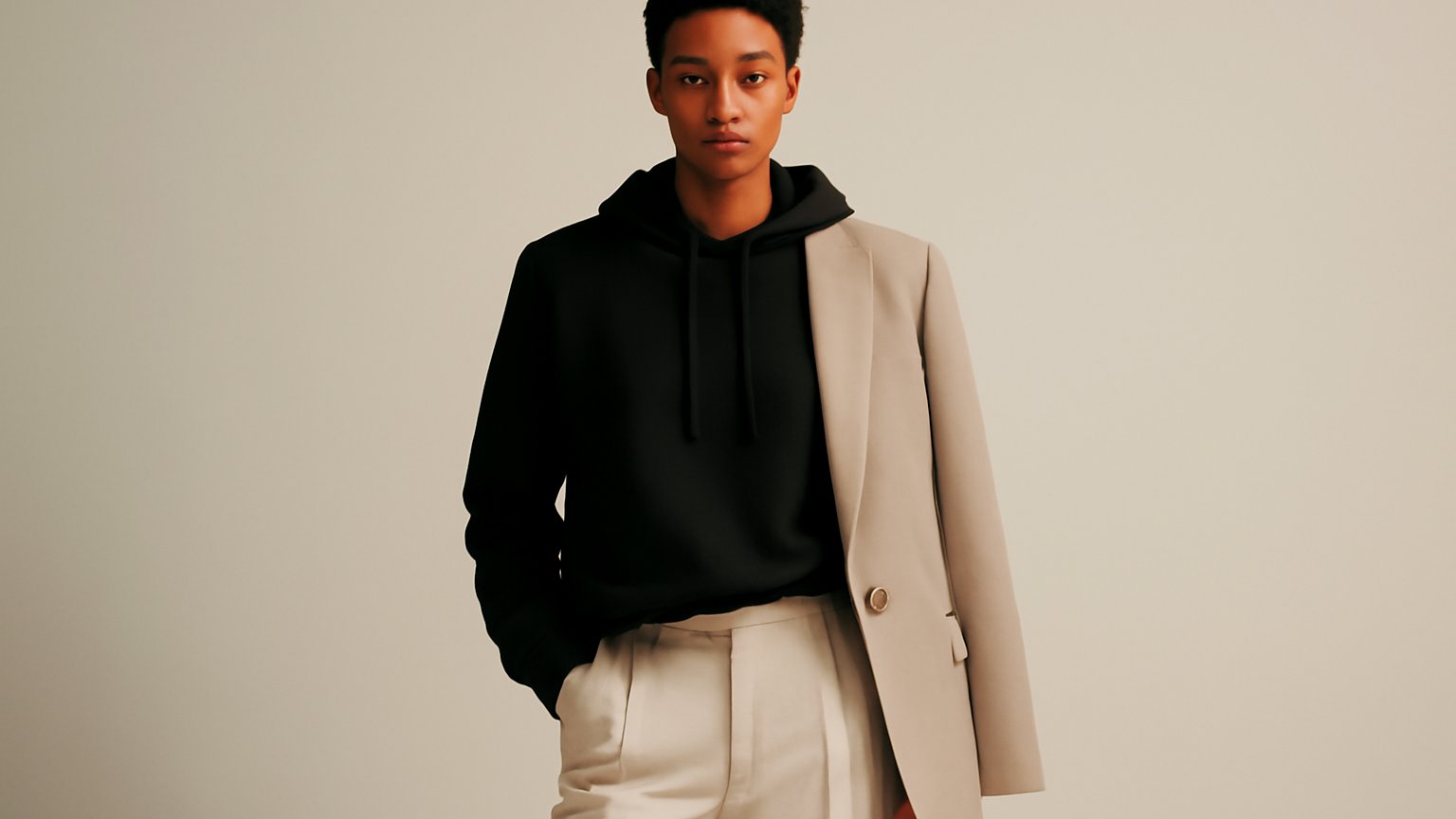
When spring arrives, designers often replace heavyweight wools with breathable linen blends, allowing a day‑to‑night silhouette that adapts to fluctuating temperatures. A tailored linen blazer paired with a silk camisole offers structure without the sweltering weight of traditional suiting; the contrast in texture signals both seasonality and a refined aesthetic. In practice, this layering strategy reduces the need for a separate jacket, streamlining the wardrobe and cutting down on closet clutter.
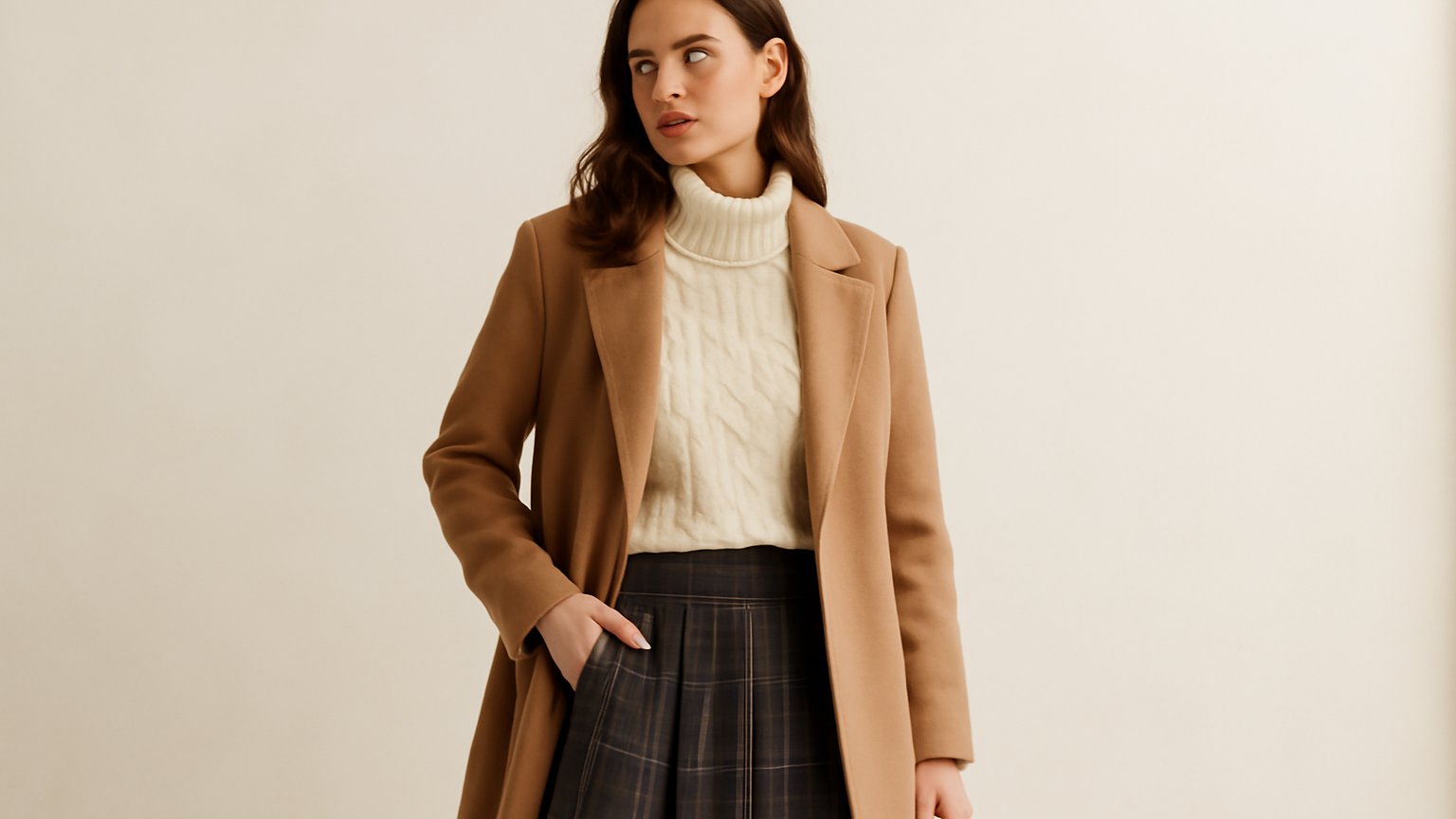
Autumn brings a shift toward richer fabrics such as brushed suede and lightweight cashmere. Pairing a suede midi skirt with a cashmere knit top creates a visual depth that flat colors alone cannot achieve. This combination also leverages the insulating properties of cashmere while the suede adds durability for longer days. A subtle risk is over‑layering; too many textures can compete for attention, so a single statement piece should anchor the look. For professionals seeking to broaden their reach, understanding how texture influences perception can be as strategic as any networking effort—see How Strategic Networking Can Boost credibility in the fashion community.
Winter wardrobes often revert to structured wool coats, yet designers now experiment with matte wool mixes that soften the silhouette. Wearing a matte-wool coat over a sleek leather slip dress juxtaposes rigidity and fluidity, offering an elegant paradox that resonates with modern women who value both comfort and edge. The practical payoff is a single outer layer that transitions effortlessly from office to evening, minimizing the need for additional accessories.
Potential Comfort and Durability Concerns with Textured Fabrics
Textured fabrics such as boucle, chenille, and faux‑fur have surged in popularity, offering tactile richness that flat fibers cannot match. Yet the very qualities that make them alluring—knit density, raised loops, and layered fibers—can also lead to wear‑and‑tear. In practice, garments with heavy boucle tend to develop puckering after repeated washing, because the looped yarns resist uniform compression. Chenille, prized for its plush feel, can accumulate lint more readily, compromising its visual integrity over time. Consumers report that faux‑fur jackets, while striking in casual wear, lose their shape after a single tumble‑dry cycle, as the synthetic fibers shift and flatten. The challenge extends beyond aesthetics. When a texture is too pronounced, it may trap moisture and accelerate bacterial growth, especially in climates with high humidity. A recent consumer‑testing study by a leading textile lab found that garments with 60 % or more looped yarn retained twice the amount of sweat compared to plain fabrics, raising concerns about odor and skin irritation for long‑duration wear.
Step‑by‑Step Guide to Incorporating Texture into Daily Outfits
Introducing texture into a weekday wardrobe begins with a clear hierarchy: base, accent, and focal piece. A lightweight knit sweater in a muted camel provides a tactile foundation without overwhelming the silhouette, while a silk scarf patterned in autumnal hues adds visual interest. Evidence from runway analyses shows that layering subtle textures creates depth that photographs well and translates to a polished office presence.
- Step 1: Choose a neutral base fabric such as cotton, linen or fine wool.
- Step 2: Add a single textured accent—think boucle, suede or a jacquard trim.
- Step 3: Pair with a statement accessory that mirrors the seasonal palette, like a leather belt or woven tote.
- Step 4: Evaluate balance; if the outfit feels heavy, swap one piece for a smoother material.
Most readers overlook the risk of over‑texturing, which can appear chaotic rather than curated. In practice, limiting the number of tactile elements to two ensures cohesion while still delivering the desired depth. For those seeking online inspiration, the guide Unlocking Online Potential: How to offers a useful checklist for evaluating texture harmony across a capsule collection.
Texture’s Final Touch: From Fabric to Fashion Statement
Seasonal textures shift how a garment behaves, offering weight, drape, and visual interest that can be fine‑tuned to climate. When designers layer a velvet sleeve over a breathable linen skirt, the resulting contrast balances warmth with breathability—an effect that empirical studies suggest enhances perceived comfort. Yet the same texture can trap heat; a thick, wool‑like knit may feel cozy in winter but uncomfortable in summer. Fashion buyers must therefore test fabrics under target conditions and consider laundering durability, as some textured weaves are prone to pilling or color shift over time.
The practical implication for everyday wearers is clear: texture should be chosen with context in mind. A matte corduroy jacket pairs well with a sleek, matte tee for a neutral, balanced look, while a bright, metallic thread can serve as a focal point when paired with subdued neutrals. When incorporating texture, start with one element—an accent pocket, a textured sleeve, or a patterned lining—then evaluate how it interacts with the rest of the outfit.
Uncertainty remains around long‑term wear in extreme conditions; manufacturers’ data are often limited to laboratory tests, and consumer experience varies. For those seeking professional guidance, consulting a textile specialist or a seasoned stylist can refine texture choices for specific lifestyles.
Next step: experiment with a single textured item each season, observe how it performs in real weather and daily use, and adjust your wardrobe strategy accordingly.
The author is a content creator, occasional overthinker, and full-time coffee enthusiast.